

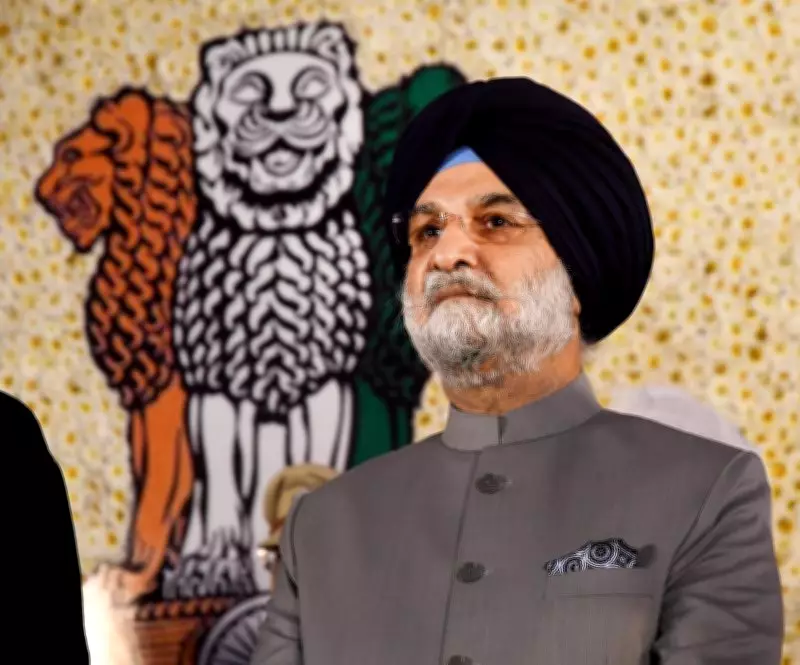
Delhi Lieutenant Governor Taranjit Singh Sandhu has directed authorities to accelerate Yamuna rejuvenation projects, framing the river's revival as a long-term urban transformation effort that combines flood resilience, ecological restoration, heritage conservation, and public engagement.
Review Meeting at Yamuna Sports Complex
During a review meeting at the Yamuna Sports Complex, the L-G assessed progress on initiatives by the Delhi Development Authority (DDA) along the Yamuna floodplains. He called for time-bound implementation of projects linked to river restoration and floodplain management.
Sandhu described the Yamuna as both Delhi's ecological lifeline and a critical urban asset. He stressed that efforts for flood preparedness, river restoration, groundwater recharge, and environmental sustainability must proceed through an integrated, outcome-driven approach.

Restoration Progress and Waste Removal
Officials reported that restoration and riverfront development have been completed across nearly 1,700 hectares of the Yamuna floodplains. Around 88,574 metric tonnes of construction and demolition waste and 4,998 metric tonnes of municipal solid waste have been removed. Nearly 1,425 acres of floodplain land have been reclaimed, restored, and secured against encroachment.
Ecological Interventions
The review highlighted ecological interventions along the river corridor. Over 0.7 million native trees and more than 10 million riverine grasses and wetland species have been planted. Thirty-five wetlands with a combined water-holding capacity of nearly 1,420 million litres have been developed to improve groundwater recharge, support biodiversity, and strengthen the floodplain's natural flood absorption ability.
Ecological Destinations and Heritage Ghats
Sandhu reviewed ecological destinations like Asita, Baansera, Amrut Biodiversity Park, Yamuna Vanasthali, Kalindi Aviral, and Yamuna Vatika, which have emerged from degraded areas into restored public spaces. He stressed reviving 32 historic ghats along Yamuna Bazar, calling it an important step for preserving cultural heritage. Officials briefed him on an INTACH study proposing conservation-led interventions, landscaping, pedestrian connectivity, and visitor facilities to link heritage preservation with riverfront renewal.
Integrated Riverfront Development
The L-G highlighted the potential of combining spiritual tourism, heritage conservation, green spaces, and flood resilience to create a major public and cultural destination along the Yamuna. He said the initiative should generate livelihood opportunities and help citizens reconnect with the river.
Calling for stronger coordination among agencies, Sandhu directed officials to pursue Yamuna rejuvenation as a flagship urban transformation program with measurable outcomes and timely execution. He was informed that the Yamuna Bazar revitalisation project is moving forward with multiple agencies.
Directing departments to expedite approvals and preparatory work, he asked them to ensure restoration and redevelopment activities begin in phases within the next six months while adhering to fixed timelines.






