

Defence Colony Delhi: A Historic Haven Confronts Modern Urban Challenges
Even on the busiest weekdays, the meticulously maintained lawns of the Defence Colony Club in C Block resonate with the sounds of easy laughter and animated conversation. Members, many of whom affectionately call this place their second home, gather here to unwind, exchange stories, and savor moments of unhurried companionship.
A Rare Urban Oasis in the Capital
Unlike numerous neighborhoods across Delhi, Defence Colony offers an exceptional abundance of inviting public spaces where residents can pause and connect. Nestled among leafy parks and shaded, tree-lined avenues, this enclave consistently ranks among the capital's most coveted residential addresses.
Established in the 1960s on land that once formed part of Kotla Mubarakpur, the colony was originally conceived as a sanctuary for army officers displaced during Partition. What began as a quiet settlement of expansive bungalows has evolved into a vibrant, high-density residential enclave over subsequent decades. Today, stately heritage homes stand alongside contemporary low-rise and high-rise apartment buildings—a testament to both a distinguished past and the relentless urban demand that has reshaped the area.

Infrastructure Struggles Amid Transformation
This significant transformation has elicited mixed responses from residents. Longtime inhabitants believe the area's infrastructure is struggling to keep pace with rapid growth and development. "Drainage systems are severely overburdened, roads bear the scars of wear and neglect, and overflowing manholes have become an unsettlingly frequent sight," explained Major (Retired) Ranjit Singh, president of the Defence Colony Welfare Association and a 1971 war veteran.
Major Singh's father, also an army officer, was among the first few plot allottees, with their family home constructed in 1959. Many residents express frustration with what they describe as "official apathy" toward resolving these pressing civic concerns.
Commercialization and Traffic Woes
Adding to the infrastructure strain is the creeping commercialization along stretches bordering Ring Road and Bhishma Pitamah Marg. What was once primarily a residential sanctuary has transformed into a thoroughfare, with commuters from neighboring colonies frequently cutting through internal roads.
"The prolonged disrepair of the bridge over Defence Colony nallah at Ratan Lal Sahdev Marg—once a vital link between Kotla, Lajpat Nagar, Jangpura, and Nizamuddin—has significantly worsened traffic conditions, forcing vehicles to take lengthy detours through the colony's quieter lanes," stated RWA general secretary Promodh Chopra.
The drainage system has been a particular source of distress, with residents recalling flooded basements and ground floors caused by overflowing water. "The drain remained undesilted for over a decade. Although Delhi High Court's intervention eventually prompted action and desilting was undertaken, serious concerns persist regarding the absence of functional treatment systems to manage stormwater before it enters the drain. A consistent stench continues to emanate from this area," reported Darshan Paul, a resident of C Block.
Preserving Heritage Amid Urban Pressures
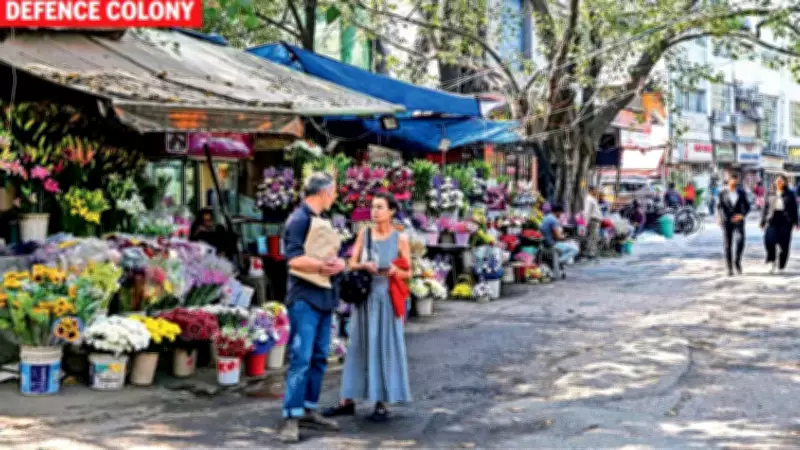
Despite these significant challenges, Defence Colony has lost none of its intrinsic allure and historical character. The bustling market, situated opposite the 15th-century Lodhi-era tomb of Gumti of Shaikh Ali, lends the neighborhood a rare historical texture that few Delhi localities can match.
With eighteen distinct parks and hundreds of mature trees, the colony still maintains the feeling of a verdant refuge in the heart of the bustling capital. This combination of historical significance and natural beauty continues to attract residents who value both heritage and community.
Calls for Sustained Stewardship
"Cherished urban spaces demand sustained care and thoughtful management," emphasized Major Singh. "Residents frequently spend from their own pockets to keep the parks green and maintained, but there is little we can do individually to upgrade critical infrastructure. Proper attention from municipal authorities would help restore the area to its rightful place as one of Delhi's premier neighborhoods."

The story of Defence Colony represents a microcosm of urban development challenges facing historic neighborhoods across India's metropolitan centers—balancing preservation of heritage and community character with the demands of modern urbanization and infrastructure requirements.





