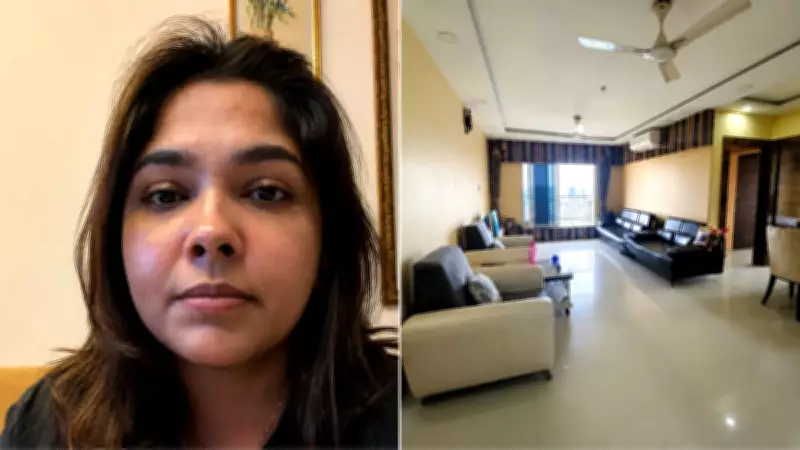
An influencer has taken to social media to share a story that has left the internet stunned: her friend was allegedly denied the opportunity to rent a flat in Mumbai because the building's numerology number was considered inauspicious. The claim, which has gone viral, has ignited a fierce debate about the role of superstition in India's real estate market.
The Viral Claim
The influencer, who goes by the handle @soulfulsanya on Instagram, posted a video recounting the incident. According to her, a female friend had found a dream apartment in a desirable Mumbai neighborhood. After initial negotiations went well, the landlord reportedly withdrew the offer upon learning the friend's date of birth. The reason? The building's numerology number did not align with the friend's life path number, supposedly bringing bad luck.
"She was told, 'Your number doesn't match the building's number. It will bring misfortune to the property,'" the influencer claimed in the video, which has garnered over 2 million views. The post has sparked a flurry of comments, with many expressing disbelief while others shared similar experiences.

Numerology in Indian Real Estate
Numerology, the belief in the divine or mystical relationship between numbers and events, is not uncommon in Indian real estate. Many builders avoid numbering floors with 13 or consider certain combinations auspicious. However, outright denial of a rental based on a potential tenant's birth number is less common but not unheard of, especially in older, traditional housing societies.
Real estate experts point out that while such practices are not widespread, they do exist in certain pockets. "In some communities, especially among older landlords, numerology and vastu shastra play a significant role in property dealings," said Mumbai-based real estate consultant Rohan Mehra. "However, outright denial based on a tenant's numerology is rare and could be considered discriminatory."
Internet Reactions
The internet has reacted with a mix of shock, humor, and criticism. Many users called the incident absurd. One user commented, "This is why we need stricter rental laws. Superstition should not decide where you can live." Another wrote, "Imagine being rejected by a building because your birthday is 'unlucky' for it." Some users shared their own stories of being denied flats due to caste, marital status, or even pet ownership, highlighting the broader issues in India's rental market.
However, a few defended the landlord's right to choose tenants based on personal beliefs. "If the landlord believes it brings bad luck, it's their property. They can choose who to rent to," one user argued. The debate continues to rage on social media platforms.
Legal Perspective
From a legal standpoint, discrimination based on numerology is not explicitly covered under Indian law. The Real Estate (Regulation and Development) Act (RERA) primarily deals with builder-buyer relationships and does not address tenant selection criteria. However, the Constitution prohibits discrimination on grounds of religion, race, caste, sex, or place of birth. While numerology is not a protected category, such practices could potentially be challenged if they are seen as arbitrary or discriminatory.
"Landlords cannot discriminate on the basis of religion, caste, or gender. Numerology, though not explicitly mentioned, could be challenged if it is used as a proxy for discrimination," explained legal expert Priya Sharma. "However, proving such cases in court is difficult."
Broader Implications
The incident has once again brought to light the challenges faced by tenants in Mumbai, where finding affordable housing is a major struggle. With high rents and limited inventory, tenants often have little bargaining power. The story also underscores the persistence of superstition in modern urban life, even in a cosmopolitan city like Mumbai.
As the video continues to circulate, it remains to be seen whether the friend eventually found another apartment. The influencer has not provided further updates. Meanwhile, the internet is left to ponder: how much does a number really matter?