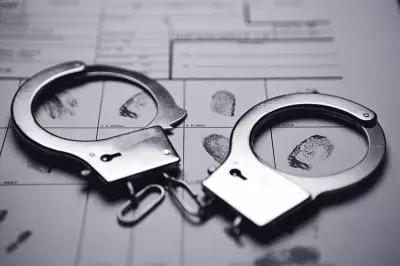
The editorial titled 'Dissent must not be criminalised' published in the Deccan Herald emphasises the critical importance of protecting the right to dissent in a democracy. It argues that when dissent is treated as a criminal act, the very foundation of democratic governance is undermined. The piece highlights recent instances in India where peaceful protests and expressions of disagreement have been met with legal action, raising concerns about the shrinking space for dissent.
Recent Examples of Criminalised Dissent
The editorial points to specific cases where individuals and groups have faced charges for exercising their right to dissent. For instance, student activists protesting against fee hikes or caste discrimination have been booked under stringent laws like the Unlawful Activities (Prevention) Act (UAPA). Similarly, farmers demonstrating against agricultural reforms were subjected to legal action, with some being charged with sedition. These examples illustrate a troubling trend where legitimate dissent is conflated with unlawful activity.
Legal Provisions and Their Misuse
The article discusses how certain laws, originally designed for serious offences, are being misused to silence dissent. The UAPA, meant for terrorism-related acts, has been applied to peaceful protesters. Sedition laws, colonial-era relics, are also frequently invoked. According to the editorial, this misuse not only curtails freedoms but also clogs the judicial system with frivolous cases. It cites data from the National Crime Records Bureau (NCRB) showing a rise in cases filed under such laws against activists and journalists.

Impact on Democracy and Society
Criminalising dissent has a chilling effect on society. It discourages people from speaking out against government policies or social injustices. The editorial argues that a healthy democracy requires robust debate and criticism. When dissent is suppressed, it breeds resentment and can lead to more extreme forms of protest. The piece quotes former Chief Justice of India, Justice R.C. Lahoti, who said, 'Dissent is the safety valve of democracy. Without it, the system may explode.'
International Perspectives and Obligations
The editorial also references international human rights standards. Article 19 of the Universal Declaration of Human Rights guarantees the right to freedom of opinion and expression. India, as a signatory, is obligated to protect these rights. The piece notes that other democracies, like the United States and the United Kingdom, have robust protections for dissent, and India should follow suit. It warns that the current trend risks India's reputation as the world's largest democracy.
Call for Reforms and Vigilance
The editorial concludes with a call for legal reforms to prevent the abuse of laws. It urges the government to review the application of UAPA and sedition laws, ensuring they are not used against peaceful dissent. It also calls on the judiciary to act as a guardian of fundamental rights. Citizens and civil society are encouraged to remain vigilant and defend the right to dissent. The piece ends with a reminder that democracy thrives on debate, not silence.