

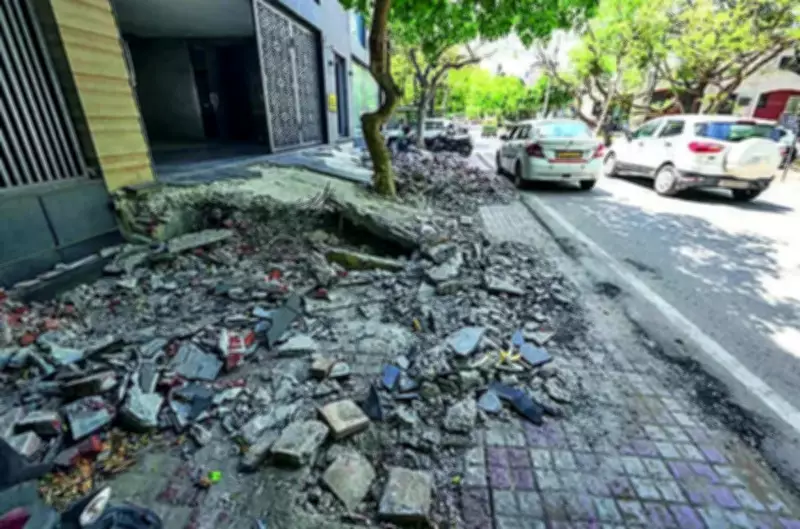
The Department of Town and Country Planning (DTCP) has launched a comprehensive statewide data-collection exercise focused on infrastructure capacity, encroachments, and fund utilisation. This initiative follows an interim order by the Punjab and Haryana High Court regarding the stilt-plus-four-floor (S+4) policy.
Background of the Directive
In a memo issued on Wednesday, the department instructed key urban agencies—including metropolitan development authorities, municipal corporations, HSVP, HSIIDC, and other urban local bodies—to submit detailed reports by 10:30 AM on May 1. This deadline precedes the next court hearing scheduled for May 4.
Urban planners believe this exercise could have significant implications for residential densification policies across the state. A senior department official stated, "The court is examining whether infrastructure is keeping pace with policy decisions, and this data will be crucial."

Legal Context
The directive originates from a 2024 Public Interest Litigation (PIL) challenging the construction of S+4 floors on residential plots. The core issue involves assessing whether existing civic infrastructure—including roads, sewage systems, water supply, and parking—can support the higher density permitted under the policy.
According to the memo, the high court's Monday order specifically references areas such as Sector 28 and DLF Phase 1 while clarifying that earlier directions applicable statewide remain subject to the final outcome of the petition. Officials confirmed that authorities are allowed to proceed with removing encroachments and violations per municipal norms, though the court emphasized that its interim directions are prospective.
Data Collection Details
Following a high-level meeting chaired by DTCP Additional Chief Secretary Anurag Agarwal, the department has requested granular data under multiple categories. These include funds collected and utilized under External Development Charges (EDC) and Proportionate Development Charges (PDR), timelines for using pending funds, and additional financial requirements for infrastructure augmentation.
In a key administrative step, approvals for S+4 floors have been halted by disabling submissions on relevant online platforms, including the S+4 portal and the HOBPAS system. Agencies have also been asked to provide details of infrastructure capacity studies conducted across towns and cities, along with future planning frameworks.
Focus on Encroachments
Significantly, DTCP has sought extensive data on encroachments on the right of way (ROW) and unauthorized use of stilt areas. Authorities must submit colony-wise details of demolition drives, types of encroachments removed, road lengths cleared, and photographic evidence. Separate formats have been prescribed for reporting violations in stilt parking areas, including actions such as sealing, demolition, and issuance of show-cause notices.
Implications and Next Steps
Officials indicated that the compiled data will be presented before the high court to demonstrate compliance and help inform future policy decisions. Residents' groups, particularly in older sectors, have long raised concerns over congestion, parking shortages, and strain on civic infrastructure due to rapid vertical expansion.
This data-gathering exercise is expected to provide critical insights into the real-world impact of the S+4 policy and shape the court's final ruling on the matter.






