

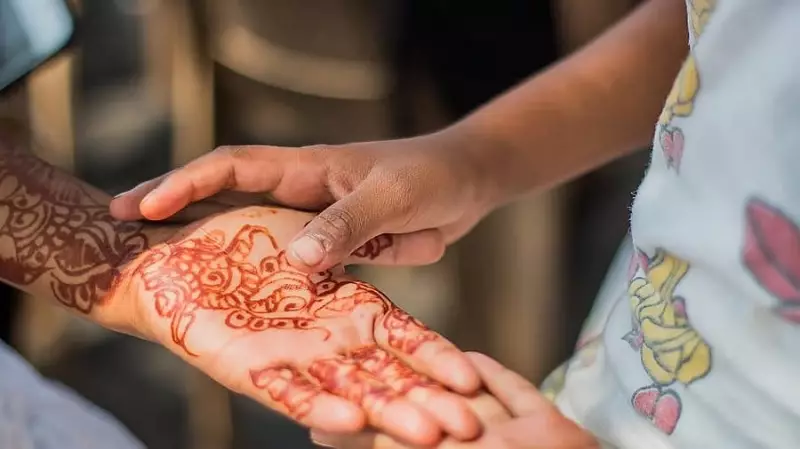
Ending Child Marriage Begins with Education: A Path Forward for India
Over the decades, India has witnessed a consistent and encouraging decline in the number of child marriages, marking a significant stride in social progress. According to the latest data from the National Family Health Survey (NFHS), the incidence of child marriages has dropped dramatically from 47.4% in 2005-06 to 23.3% in 2019-21. This substantial reduction highlights the effectiveness of various interventions, with education emerging as a pivotal factor in this positive transformation.
The Role of Education in Combating Child Marriage
Education serves as a powerful tool in the fight against child marriage, empowering young girls and boys with knowledge, skills, and opportunities. By keeping children in school, we not only delay early marriages but also foster a generation that values gender equality and personal development. The correlation between increased educational attainment and decreased child marriage rates is evident, as educated individuals are more likely to make informed decisions about their futures.
Analyzing the NFHS Data: A Closer Look at the Decline
The NFHS data reveals a remarkable trend: a near halving of child marriage rates over a span of 15 years. This decline can be attributed to several factors, including:

- Government initiatives aimed at promoting education and awareness about the harms of child marriage.
- Community-based programs that engage local leaders and families in dialogue and action.
- Economic empowerment through skill development and job opportunities, reducing the financial pressures that often lead to early marriages.
These efforts, combined with a growing societal shift towards valuing education, have contributed to this downward trajectory.
Challenges and Future Directions
Despite the progress, challenges remain in completely eradicating child marriage in India. Regional disparities, poverty, and deep-rooted cultural norms continue to pose obstacles. To build on the current success, it is essential to:
- Strengthen educational infrastructure in rural and underserved areas to ensure access for all children.
- Enhance awareness campaigns that highlight the legal and health implications of child marriage.
- Support grassroots organizations working directly with communities to change mindsets and practices.
By prioritizing education and holistic development, India can accelerate its journey towards ending child marriage and fostering a more equitable society.






