Garbage Contract Risks Without Fallback
An editorial in the Deccan Herald has raised critical concerns about waste management contracts that lack adequate fallback provisions. The piece argues that such agreements pose significant risks to public health and the environment, especially in urban areas where garbage disposal is a major challenge.
The Core Issue
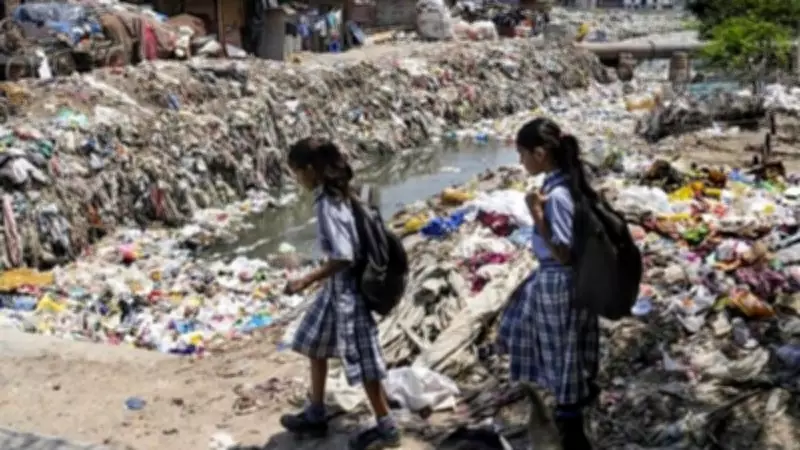
The editorial points out that many municipal contracts for garbage collection and processing are awarded without robust contingency plans. When contractors fail to deliver, there is often no immediate backup, leading to piles of uncollected waste. This situation creates health hazards, attracts pests, and contributes to pollution.
Public Health and Environmental Risks
Without a fallback mechanism, cities can quickly descend into unsanitary conditions. The editorial emphasizes that garbage accumulation can spread diseases, contaminate water sources, and release harmful gases. It calls for stricter contract clauses that mandate backup arrangements, such as alternative service providers or municipal intervention.

Need for Policy Reform
The editorial urges policymakers to reevaluate current waste management frameworks. It suggests incorporating performance bonds, penalties for non-compliance, and clear escalation protocols. Additionally, it recommends fostering public-private partnerships that ensure continuity of service even during contractor defaults.
Conclusion
In conclusion, the editorial stresses that waste management is a critical public service that cannot afford disruptions. It calls for immediate action to revise contracts and implement fail-safes to protect communities and the environment from the consequences of inadequate planning.