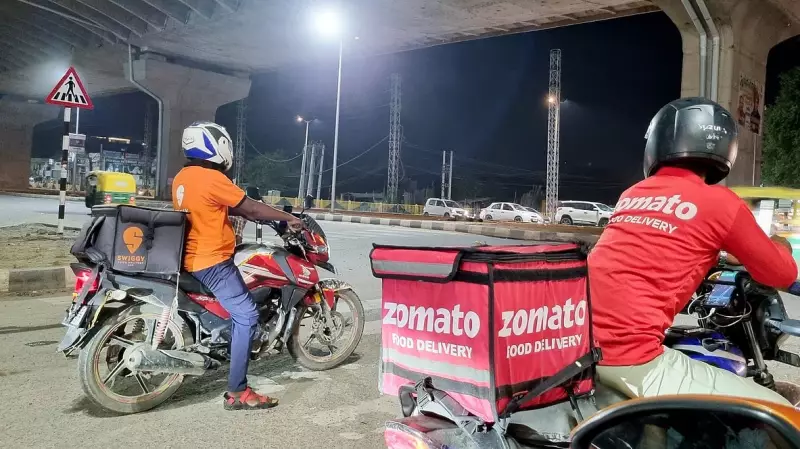
A significant debate is unfolding across India's urban landscape, centered on the demanding pace of quick commerce and its human cost. Gig worker unions and associations are mounting a forceful campaign, calling for a complete ban on the increasingly popular 10-minute and 15-minute delivery slots offered by platforms like Swiggy and Zomato. This demand pits worker welfare against consumer convenience, creating a complex policy dilemma for regulators.
The Core of the Conflict: Speed vs. Safety
The central argument from worker collectives is stark: the relentless pressure to meet ultra-fast delivery deadlines is directly compromising rider safety. They report being forced to navigate chaotic traffic at high speeds, leading to a spike in accidents and fatalities. The unions are not asking for minor adjustments but for an outright prohibition on these express delivery models. They contend that the business model itself is flawed, prioritizing impossible speed over the well-being of the workforce that powers it.
On the opposing side, the quick-commerce and food delivery platforms defend their service as a response to genuine market demand. Companies argue that consumers, especially in densely populated urban centers, have come to rely on and expect rapid delivery for essential items and meals. They suggest that a blanket ban would be a regressive step, stifling innovation and removing a valued service. Instead, they emphasize their investments in safety training, insurance, and technology to mitigate risks.

A Divided Landscape: Voices from the Ground
The issue has exposed clear divisions among the stakeholders. Gig worker associations, such as the Indian Federation of App-based Transport Workers (IFAT), are at the forefront of the protest. They argue that the economic incentives tied to faster deliveries—like extra pay or bonuses—create a perverse system that coerces riders into taking dangerous risks. The psychological stress of constant time pressure is another major concern they highlight.
However, not all delivery partners agree with the call for a ban. Some riders acknowledge that while the job is stressful, the 10-minute delivery option often comes with higher pay per order. For many, this financial incentive is crucial. This internal split within the gig worker community complicates the unions' demand, revealing a tension between immediate earnings and long-term safety.
Consumer opinion is also mixed. While many enjoy the convenience, a growing segment is becoming aware of the ethical implications. Some customers express willingness to wait longer if it ensures the delivery executive's safety, suggesting a potential market for more sustainable, slower delivery options.
Regulatory Crossroads and the Path Forward
The debate has now squarely landed in the domain of policymakers and regulators. The government faces the challenge of balancing a booming digital economy with the urgent need for social security and labor protections for a vast, unorganized workforce. Simply banning a popular service could face backlash, but inaction on safety is increasingly untenable.
Potential middle-ground solutions are being discussed. These include:
- Strict enforcement of traffic rules and speed governors for two-wheelers used in deliveries.
- Mandatory comprehensive insurance and accident coverage funded entirely by the platforms.
- Re-evaluating the algorithm-driven pressure by decoupling pay and bonuses from unrealistic delivery timelines.
- Introducing a "standard" and "express" delivery model with clear, safe timeframes for the latter, allowing consumer choice without forcing dangerous speed.
The outcome of this debate will set a critical precedent for the future of work in India's digital platform economy. It questions whether the relentless pursuit of consumer convenience can continue to externalize its true cost onto the health and lives of workers. The demand for a ban on 10-minute deliveries is more than a logistical issue; it is a fundamental demand for dignity and safety in the new world of work.