

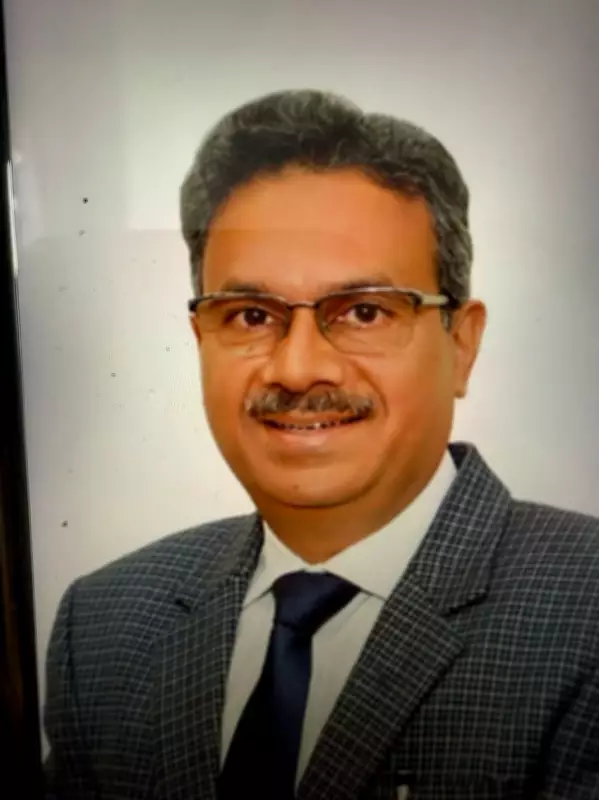
Haryana Chief Secretary Sanjeev Kaushal has underscored the critical need for urban laws to adapt and evolve with the changing times. Speaking at a conference on urban governance, he highlighted that static legal frameworks are inadequate to address the complexities of modern urbanization.
Need for Dynamic Legal Frameworks
Kaushal stated that cities are living entities that undergo constant transformation. Therefore, the laws governing them must be flexible and responsive to new challenges such as population growth, environmental concerns, and technological advancements. He emphasized that outdated regulations can hinder development and lead to inefficiencies in urban management.
Key Areas Requiring Reform
The Chief Secretary identified several areas where legal reforms are urgently needed:

- Land Use and Zoning: Updating zoning laws to accommodate mixed-use developments and promote compact city growth.
- Infrastructure Development: Streamlining approval processes for infrastructure projects to reduce delays and costs.
- Environmental Sustainability: Integrating green building codes and renewable energy mandates into urban planning.
- Digital Governance: Leveraging technology for efficient service delivery and citizen engagement.
Collaborative Approach
Kaushal called for a collaborative effort between government agencies, urban planners, legal experts, and citizens to ensure that urban laws are both practical and forward-looking. He stressed the importance of public participation in the law-making process to reflect the needs and aspirations of the community.
Case Studies and Best Practices
He cited examples from other states and countries where progressive urban laws have led to improved quality of life and economic growth. The Chief Secretary encouraged the adoption of best practices while tailoring solutions to local contexts.
In conclusion, Kaushal reiterated that evolving urban laws are not a one-time exercise but a continuous process. Regular reviews and amendments are essential to keep pace with the dynamic nature of urban environments. He urged all stakeholders to prioritize legal reforms to build sustainable, inclusive, and resilient cities for the future.






