India's battle against drug trafficking has escalated from a side skirmish to a full-scale national priority. The government has intensified efforts to dismantle drug networks, focusing on both supply and demand reduction. This shift reflects the growing recognition of the drug trade's impact on public health, youth, and national security.
Enhanced Enforcement Measures
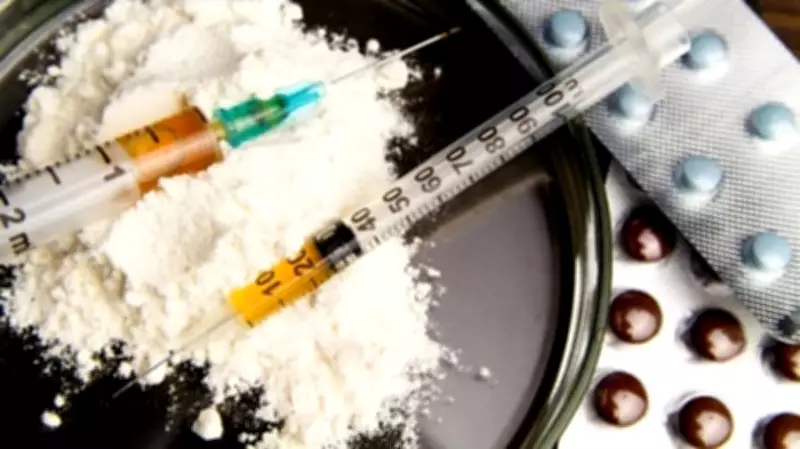
The Narcotics Control Bureau (NCB) and other agencies have ramped up operations, leading to record seizures of narcotics such as heroin, cocaine, and synthetic drugs. In 2024, seizures increased by over 30% compared to the previous year. The government has also strengthened legal frameworks, including the Narcotic Drugs and Psychotropic Substances (NDPS) Act, to impose stricter penalties on traffickers.
Interagency Coordination
A key development is the improved coordination between central and state agencies. Joint task forces have been established to share intelligence and conduct synchronized raids. This collaborative approach has disrupted major smuggling routes, particularly along the India-Pakistan border and through the Golden Triangle region.

International Cooperation
India has deepened partnerships with countries like the United States, the United Arab Emirates, and Myanmar to combat transnational drug trafficking. Information sharing and joint operations have led to the arrest of high-profile traffickers operating across borders. India also participates in global forums such as the UN Commission on Narcotic Drugs to align strategies.
Focus on Demand Reduction
Beyond enforcement, the government is investing in prevention and treatment programs. The Nasha Mukt Bharat Abhiyan (Drug-Free India Campaign) has expanded to over 700 districts, focusing on awareness, counseling, and rehabilitation. Schools and colleges are being targeted for early intervention, with a emphasis on peer education and community involvement.
Challenges Ahead
Despite progress, challenges remain. The rise of synthetic drugs, which are easier to produce and harder to detect, poses a new threat. Additionally, the nexus between drug trafficking and terrorism requires constant vigilance. Experts call for more robust forensic capabilities and data-driven policing to stay ahead of traffickers.
In conclusion, India's war on drugs has entered a new phase, characterized by political will, operational efficiency, and international solidarity. While the battle is far from over, the nation's resolve to protect its citizens from the scourge of narcotics has never been stronger.