Karnataka Experts and Parents Urge State Government to Study Social Media Restrictions for Minors
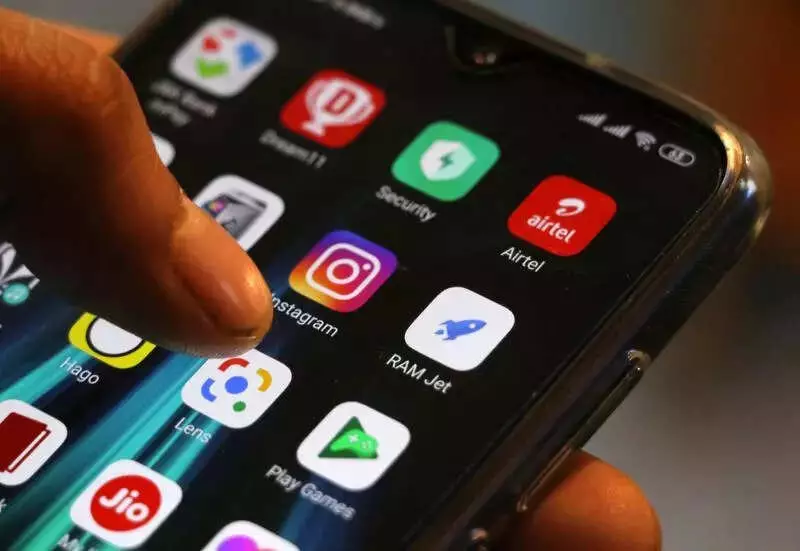
In the wake of the Andhra Pradesh government's recent decision to form a committee examining the possibility of limiting social media access for children below 16 years of age, a growing chorus of experts, parents, and educational authorities in Karnataka is calling for a parallel initiative. They are advocating for the state government to conduct a similar study and implement appropriate regulatory measures to safeguard young minds from the potential harms of unchecked digital engagement.
The Case for a Legal Framework to Protect Children
Central to their argument is the concern that children up to the age of 16 lack the necessary cognitive maturity to navigate the complex landscape of social media platforms responsibly. This includes insufficient judgment in deciding what content to upload, what to watch, and what to avoid, thereby exposing them to various risks. Proponents emphasize that a robust legal framework is urgently required to regulate such usage and provide a safer online environment for the younger generation.
Psychiatric Insights on Behavioral Addiction
Dr. Raveesh BN, Head of the Department of Psychiatry at Mysuru Medical College and Research Institute, provided a clinical perspective, classifying excessive social media use among children as a behavioral addiction. He highlighted that adolescents are particularly vulnerable due to their underdeveloped decision-making abilities and limited capacity for self-regulation. "The best way to regulate children is by bringing in a law," Dr. Raveesh asserted, while also underscoring the critical role of increasing parental awareness to tackle the issue effectively.

Parental Concerns and the Call for Holistic Solutions
Parents across Karnataka have echoed these concerns, stressing the urgent need to address the escalating crisis surrounding children's social media consumption. They argue that as smartphones have become an integral part of daily family life, a dual approach combining legal measures with widespread awareness campaigns is essential. Pramati R Rao, a parent from Kuvempunagar, pointed out that merely imposing bans on children would be ineffective without comprehensive educational drives at school and community levels. She noted that the trend of smartphone addiction, often driven by a pursuit of likes and followers, intensified during the Covid-19 pandemic.
Impact on Academics and Social Sensitivity
School counsellor Rati Kumari observed that many children spend two to three hours daily on social media, which adversely affects their academic performance and overall well-being. She advocated for strengthening family values and addressing the issue through both institutional and familial interventions. Adding to this, Mahadeva Kote, a member of the Child Welfare Committee (CWC), a quasi-judicial body, expressed support for legislative action. He warned that social media addiction is impairing children's critical thinking skills, making them increasingly insensitive to social issues while causing a steady decline in academic interest. "We need to make children more responsive," he emphasized.
Educational Bodies Rally Behind the Proposed Ban
D Shashi Kumar, General Secretary of the Associated Managements of Primary and Secondary Schools, confirmed that the association is also advocating for such restrictions in the larger interest of students. "We will support it 200 per cent if the state government comes out with such a move," he stated, highlighting the pressing need to curb gadget usage to ensure the holistic development of children.
As the debate gains momentum, stakeholders in Karnataka are united in their call for proactive measures to mitigate the risks associated with early and excessive social media exposure, urging the state government to follow Andhra Pradesh's lead in prioritizing child welfare in the digital age.