

Karnataka Survey Enumerates 23,395 Former Devadasis, Proposes Comprehensive Rehabilitation Measures
A comprehensive enumeration exercise conducted in the latter half of 2025 has officially documented the number of former Devadasis residing in Karnataka at 23,395 individuals. This significant survey was commissioned by the Department of Women and Child Development in collaboration with the Karnataka State Women’s Development Corporation, aiming to assess and address the longstanding issues faced by this marginalized community.
Submission of Recommendations to Chief Minister
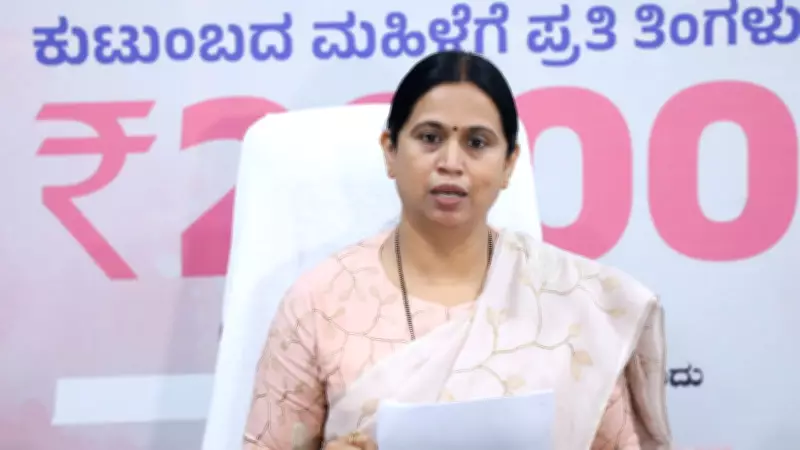
Women and Child Development Minister Laxmi Hebbalkar formally presented the detailed findings and recommendations of the survey report to Chief Minister Siddaramaiah on Tuesday. The report underscores the urgent need for a special rehabilitation package tailored to support former Devadasis, who have historically suffered under an illegal practice that dedicates young girls from disadvantaged backgrounds to Goddess Yellamma, often leading to forced celibacy and sexual exploitation.
Key Recommendations for Support and Empowerment
The survey report outlines several critical measures to ensure the welfare and integration of former Devadasis and their families. Among the foremost proposals is the implementation of a special package designed to facilitate rehabilitation, which includes:

- Offering financial incentives to encourage the marriage of descendants of Devadasis, thereby promoting social stability and economic security.
- Providing special scholarship schemes to enhance educational opportunities for children from these families.
- Organizing training programs to prepare individuals for competitive examinations, boosting their career prospects.
- Establishing residential schools to ensure a supportive learning environment for the younger generation.
Addressing Legal and Social Hurdles
A particularly pressing issue highlighted in the report involves the challenges faced by children of former Devadasis when dealing with official application forms that require a father's name. To alleviate this burden, the report recommends relaxing the mandatory entry of fathers' names in various applications, thereby preventing discrimination and simplifying bureaucratic processes for these children.
Geographical Distribution and Survey Scope
The survey revealed that victims of the Devadasi system are concentrated across 15 districts in Karnataka, with the highest numbers recorded in:
- Bagalkot district: 4,189 former Devadasis
- Vijayanagar district: 3,876 former Devadasis
- Belagavi district: 2,649 former Devadasis
- Koppal district: 2,469 former Devadasis
- Ballari district: 2,333 former Devadasis
These details were officially shared by Minister Laxmi Hebbalkar's office, emphasizing the widespread impact of this practice. The survey extensively examined the economic and social conditions of first-, second-, and third-generation relatives of Devadasis, providing a holistic view of the intergenerational challenges faced by these families.
Government Commitment to Action
In response to the findings, Minister Hebbalkar affirmed the government's dedication to addressing these issues, stating, "The Government will take action based on the recommendations of the report." This commitment signals a proactive approach towards implementing the proposed measures, which aim to not only rehabilitate former Devadasis but also empower their descendants through education, financial support, and policy reforms.
The survey's revelations and recommendations mark a pivotal step in acknowledging and rectifying the historical injustices faced by the Devadasi community in Karnataka, paving the way for a more inclusive and equitable society.






