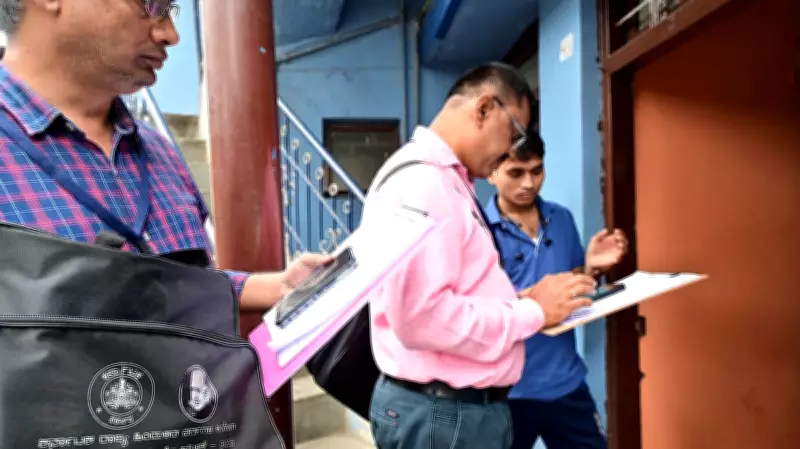
The Karnataka government's Socio-Educational and Economic Survey report, which is expected to be released soon, could provide crucial data to support the state's demand for breaching the 50% reservation cap set by the Supreme Court. The survey, conducted by the Karnataka State Commission for Backward Classes (KSCBC), aims to assess the socio-economic conditions of various communities, particularly Other Backward Classes (OBCs) and Economically Weaker Sections (EWS).
Background of the Reservation Cap
The Supreme Court, in its landmark 1992 Indra Sawhney judgment, ruled that reservations should not exceed 50% of total seats, except in extraordinary circumstances. Several states, including Karnataka, have sought to exceed this limit to address historical inequalities. Currently, Karnataka provides 32% reservation for OBCs, 15% for SCs, and 3% for STs, totaling 50%. However, the state government has proposed additional quotas for specific communities, which would push the total beyond 50%.
Role of the Socio-Educational Survey
The survey, which covered over 1.5 crore households, collected data on caste, education, employment, and economic status. The KSCBC chairman stated that the report would provide empirical evidence to justify higher reservations. It is expected to highlight the underrepresentation of certain communities in education and government jobs, thereby strengthening the state's case in court.

Political analysts believe that the survey results could influence the ongoing debate on reservation policies. The Karnataka government has previously passed bills to increase quotas for Vokkaligas and Lingayats, but these were stayed by the courts. The survey might offer a constitutional basis for such measures.
Legal and Political Implications
If the report convincingly demonstrates that certain communities are inadequately represented, it could lead to a review of the 50% cap. However, legal experts caution that any attempt to exceed the cap would face judicial scrutiny. The state government may need to pass a constitutional amendment or seek a Supreme Court ruling.
Politically, the survey is seen as a move by the Congress government to consolidate its support among OBCs and other backward groups ahead of the 2024 elections. The report's findings are likely to be used by various parties to demand increased quotas.
Next Steps
The KSCBC is expected to submit the final report to the government within a month. Thereafter, the government will decide on the course of action, which may include filing a review petition in the Supreme Court or introducing new legislation. The outcome of this process could have far-reaching implications for reservation policies across India.