

Kerala Human Rights Commission Mandates Camera Surveillance to Combat Canal Waste Dumping
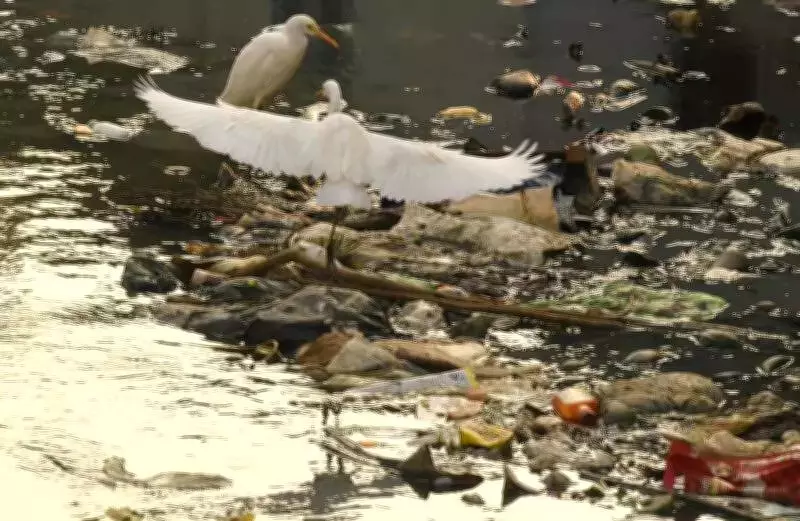
In a significant move to address environmental pollution, the Kerala State Human Rights Commission (SHRC) has issued comprehensive recommendations to prevent illegal waste dumping in the Amayizhanjan canal. Chairperson Justice Alexander Thomas has directed authorities to implement multiple measures aimed at protecting this vital water body.
Camera Surveillance and Monitoring System
The commission's primary recommendation involves installing surveillance cameras at strategic locations along the Amayizhanjan canal. These cameras would serve as a deterrent against individuals and entities attempting to dispose of waste illegally into the waterway. To ensure effective monitoring, Justice Thomas specifically suggested that officials from the Corporation Health Department be appointed to oversee the camera feeds and respond promptly to any violations detected.
Enhanced Night Operations and Police Support
Recognizing that illegal dumping often occurs under cover of darkness, the SHRC has called for strengthening the operations of the existing health squad during night-time hours. Furthermore, the commission recommended that the District Collector, in consultation with the City Police Commissioner, arrange for police officers to assist the health squad in their enforcement activities, providing additional authority and security during operations.

Railway Area Specific Measures
Addressing a particular concern near the Thampanoor railway area, the commission has asked authorities to examine the railway's suggestion to lower the metal grating at the canal entrance. This technical adjustment could potentially restrict access points used for illegal dumping. Additionally, the Deputy Collector (Disaster Management) has been instructed to make practical decisions, in consultation with railway and Major Irrigation Department representatives, to ensure daily waste removal from this sensitive area.
Waste Management and Treatment Infrastructure
The SHRC has emphasized the importance of transparent waste management processes. Justice Thomas directed that a list of institutions provided by the Suchitwa Mission M-Panel for waste removal and processing from the canal should be published for public awareness. In a forward-looking recommendation, the commission also suggested establishing an effluent treatment plant at the KSRTC Thampanoor Central Depot with cooperation from the Suchitwa Mission.
Implementation and Coordination Framework
To ensure these recommendations translate into action, the District Collector has been tasked with assigning the Deputy Collector of the Disaster Management Department to coordinate the commission's directives and evaluate future progress. The commission has established a clear reporting mechanism, stating that if further orders are necessary, the Deputy Collector should bring these matters to the commission's attention for additional guidance.
Technological Solutions and Official Directives
During proceedings, the Suchitwa Mission Director informed the commission about the use of Gen Robotics technology in areas where manual waste removal from the canal is impractical. This technological approach complements the broader strategy to address the pollution problem. The commission's comprehensive instructions have been formally communicated to multiple authorities including the District Collector, Corporation Secretary, Railway Divisional Manager, City Police Commissioner, Major Irrigation Department's Superintending Engineer, Suchitwa Mission Director, and KSRTC Thampanoor DTO.
The order was issued following thorough hearings with relevant government agencies, based on a detailed report submitted by the commission's Chief Investigation Officer in a suo motu case concerning waste dumping in the Amayizhanjan canal. This proactive approach by the human rights commission underscores the growing recognition of environmental protection as a fundamental human right in Kerala.






