

Lucknow Slum Fire Tragedy Ignites Unprecedented Citizen-Led Relief Through Social Media
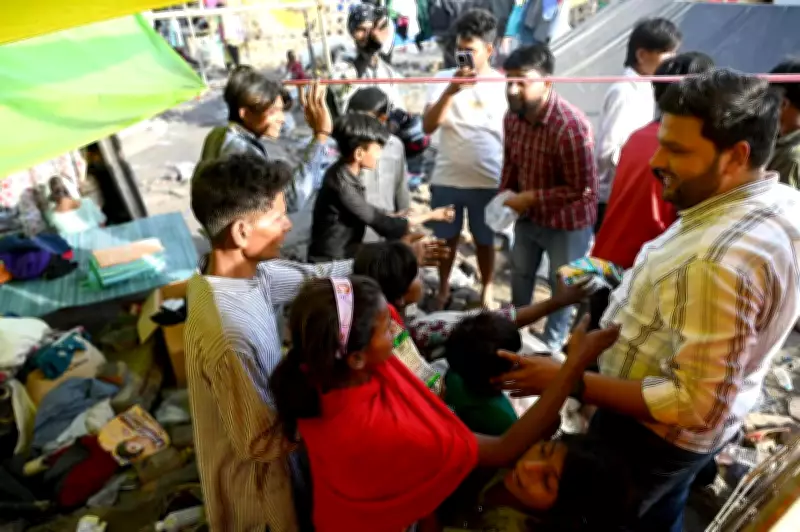
The devastating fire at the Vikasnagar slum cluster in Lucknow on April 15 not only left a trail of destruction but also sparked a remarkable digital humanitarian response. As harrowing videos and reels depicting charred homes, injured residents, and families sitting amidst ashes went viral across social media platforms, they triggered an immediate and massive wave of citizen-led relief efforts.
Digital Mobilization Bridges Gap Between Victims and Donors
Within hours of the tragedy unfolding online, individuals, social media influencers, and numerous non-governmental organizations across Lucknow began mobilizing support. A significant portion of the immediate relief reaching over one thousand displaced residents arrived not through formal governmental channels, but via grassroots networks and online appeals.
"The moment the videos started circulating, our phones didn't stop ringing," said Khushi Kanaujia, a 21-year-old volunteer with a local NGO. "People from across the city and even from outside wanted to help. Many had never been to this area, but they felt a deep connection after witnessing the dire situation online."

Sparsh Verma, a 17-year-old volunteer, highlighted how digital platforms served as an instant bridge. "We created posts, shared specific needs, and within hours, people were sending clothes, tarpaulins, and essential supplies. Social media effectively became our central coordination centre," he explained.
Amplified Calls for Help and Crowdfunding Initiatives
Several established NGOs, local youth collectives, and religious organizations leveraged their substantial online presence to amplify calls for assistance. Other groups, including student-led initiatives and independent volunteers, launched successful crowdfunding drives to gather financial support for the affected families.
Influencer Saquib, who manages a popular social media page, noted the powerful emotional trigger. "When people saw images of children sitting in ashes and families who had lost everything, they didn't hesitate. Social media transformed into a genuine lifeline for these victims," he stated.
This sentiment was echoed by volunteers like Shruti Negi, 22. "The sheer scale of destruction visible in those viral videos moved people to act immediately. It transcended mere sympathy and translated into direct, tangible action."
Tangible Outcomes for Survivors and Coordination Efforts
For the survivors, this overwhelming online response materialized into critical aid. "We received clothes, blankets, and even study materials for children through these coordinated digital efforts," said Ishan, a Class 12 student who lost his home in the blaze.
Relief operations continued robustly into the second day. Organizations like the AMUOBA Lucknow distributed food packets, utensils, clothes, towels, and other essential supplies among the victims.
Emphasizing the need for structured aid, Shahla Haque, Secretary of AMUOBA Lucknow, urged all NGOs and volunteer groups to coordinate their efforts through a common platform. "This coordination is crucial to ensure efficient utilization of resources and to avoid any duplication of relief work," Haque advised, highlighting the importance of streamlining the generous but scattered aid efforts.
The Vikasnagar tragedy has underscored a new paradigm in disaster response, where social media's power to connect and empathize can mobilize community action at an unprecedented scale, complementing formal relief mechanisms in times of crisis.






