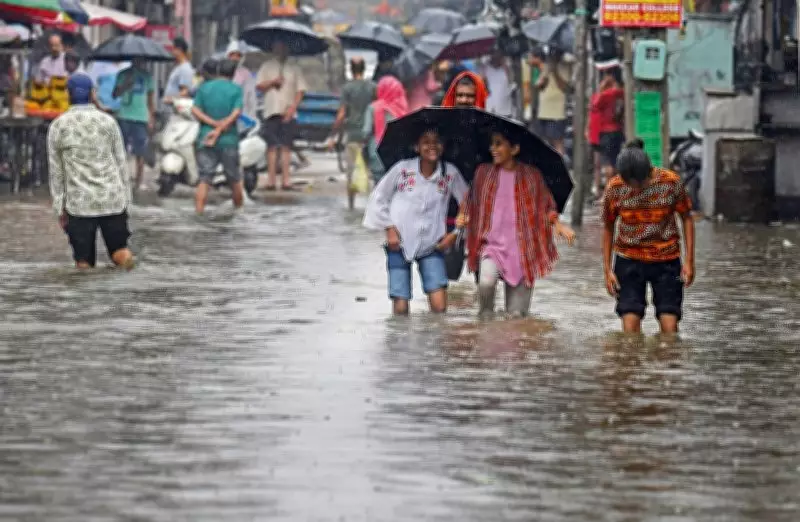
As the monsoon season approaches, concerns are mounting over whether Ludhiana's civic infrastructure can handle heavy rainfall and prevent flooding, waterlogging, and drainage failures. Despite assurances from authorities regarding desilting operations, drain cleaning, and infrastructure upgrades, residents witness a recurring pattern of inundated roads, overflowing sewers, traffic disruptions, and property damage during downpours.
Rapid Urbanization Exacerbates Flood Risk
Rapid urbanization, encroachments on natural drainage channels, and inadequate maintenance of storm-water systems have increased the city's vulnerability to flooding. The Municipal Corporation (MC) claims to have initiated preventive measures and emergency response plans, but the test will come when the rains arrive. Citizens expect a long-term strategy that addresses ageing infrastructure, guarantees timely completion of drainage projects, and ensures accountability rather than temporary solutions.
Recent Rains Expose Preparedness Gaps
Recent moderate showers submerged roads and exposed significant gaps in monsoon preparations. The city relies heavily on an ageing, mixed sewer-drainage system, leaving areas like Gill Road and Model Town Extension vulnerable to severe waterlogging. While the MC has initiated drain cleaning drives and the district administration has set up teams to flood-proof the city, history and recent rain spells suggest residents are likely to face temporary flooding once the heavy monsoon arrives.

Key areas of concern include roads dug up for the World Bank-funded water-supply project, which turn into slippery mud traps during rain. Rainwater frequently flows into domestic sewer lines, causing overflows and leading to street inundation in localities such as Haibowal and Bharat Nagar Chowk. Pockets along Buddha Nullah remain at high risk of overflowing during continuous downpours.
Disparity Between Civic Claims and Ground Reality
While the MC claims preparedness and takes some steps on paper, the ground reality in recent years points to vulnerability in many areas. Structural and behavioral changes are essential to break the cycle. The civic infrastructure has long struggled with the same issues, and recent patterns suggest limited fundamental improvement. Waterlogging stems from dumping of waste in sewer lines that clog the drainage system. Residents need to avoid throwing filth and waste materials on roads, as they may choke the drainage system. The MC should repair broken pipes and ensure better planning that accounts for natural slopes while laying pipelines.
Government Measures and Citizen Cooperation
The state government has spent crores of rupees on rural flood defenses and desilting drives, but trends show residents continue to face waterlogging and drainage issues. Chief Minister Bhagwant Mann has ordered time-bound desilting and repair of vulnerable drains and river embankments. Municipal bodies have set up dedicated flood control rooms and emergency response teams to tackle waterlogging complaints. Civic bodies are using high-powered equipment, such as super suction machines, to clear sludge and solid waste from sewer lines.
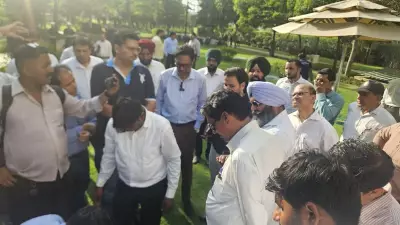
Regular cleaning of sewers is needed. The MC must ensure all preparations to cope with floods or waterlogging during the monsoon. Drains and sewers need periodic cleaning, and incomplete projects must be expedited. Strict monitoring is necessary to prevent clogging due to garbage or encroachments. Emergency response teams and water pumps should be ready to deal with excessive rainfall. Citizens also need to cooperate and avoid littering.

Call for 24x7 War Room and Accountability
Every monsoon, residents see a familiar cycle of flooding and civil neglect. Despite seasonal cleaning of sewer lines and NHAI roads, recent pre-monsoon showers led to heavy waterlogging and dangerous road cave-ins. Under Mission Clean Punjab, the MC has been instructed to eliminate all potholes and open manholes, especially in vulnerable areas. To strengthen civic response, the MC should set up a 24x7 war room to monitor waterlogging, flooding, and sewerage blocking in real time. However, long-term relief remains elusive as expanding a dedicated storm sewer network is not feasible due to high costs and lack of a natural water body to discharge runoff. Recurring cave-ins and aged, collapsing sewer lines underscore a desperate need for structural retrofitting rather than cosmetic pre-monsoon patchwork. A fund crisis has blocked construction of a citywide storm water network for more than a decade.
MLAs and councillors should be accountable. Every year, tall claims by the MC fall flat when rainfall starts. Even short spells of rain expose gaps, as evident by showers in May when waterlogging was reported from several parts of the city shortly after the MC claimed to be monsoon ready. The MC should repair broken pipes, and the government should impose heavy fines on those throwing waste on roads. Proper advertisements, training, and education should be imparted to MC staff, students, and the public. The city's sewerage system should be adequate to handle monsoon stress. In case of negligence, the contractor concerned should be held accountable, and councillors and MLAs must answer if water accumulates in their respective areas.
Improving Rainwater Harvesting Infrastructure
Given the MC's track record and the enormity of the problem, there is nothing to suggest the civic body is prepared for the rainy season. The uneven topography of the city and the quantum of rain mean the problem is beyond control. The solution lies in reducing discharge of water on roads and drains by installing rainwater harvesting systems on a large scale. The government needs to take the first step by installing systems at its own buildings, offices, and schools. Although it is already late, a beginning can still be made. Citizens should not dispose of waste materials, particularly plastics and textiles, irresponsibly, as they will find their way into drains and choke the drainage system.
Disparity Between Developed and Outlying Areas
There is a disparity in drainage systems across city areas. While developed areas have near-perfect infrastructure for handling flash floods, most areas in the city's outskirts, including villages and small towns, are far from ready. Blocked sewers, flooded streets, and inundated low-lying areas make life hell for residents. Recent incidents of canal breaking in Mansa, Bathinda, and Faridkot led to flooding in farmland. The administration should provide proper infrastructure to prevent waterlogging and drainage problems as an urgent matter.
Conclusion: Need for Sustainable Urban Planning
As monsoon approaches, Ludhiana once again confronts the pressing question of whether its civic infrastructure is resilient enough. Despite repeated assurances of desilting drains, repairing manholes, and upgrading sewerage systems, residents often find themselves navigating flooded streets, overflowing sewers, and stalled projects that expose a gap between planning and execution. Rapid urbanization has outpaced drainage upgrades, with encroachments on water channels and poor maintenance compounding the risk of waterlogging. While civic authorities highlight ongoing projects and claim preparedness, the ground reality is far from it. Sustainable and resilient urban planning is urgently needed to break the cycle of distress.