

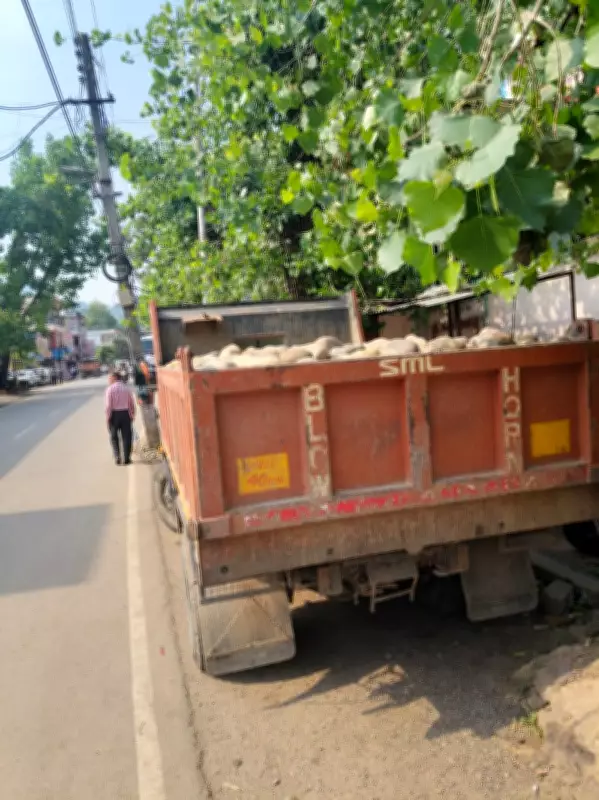
The Mandi police in Himachal Pradesh have intensified their crackdown on illegal mining activities across the district. As part of a sustained campaign against unauthorized extraction and transportation of minor minerals, law enforcement agencies have issued a total of 475 challans so far this year.
Stringent Measures Against Illegal Mining
The police department has adopted a multi-pronged strategy to curb the menace of illegal mining. Regular patrolling, surprise checks at vulnerable points, and the use of technology to monitor movement of vehicles carrying minerals are among the key measures. The challans have been issued for various violations, including overloading, lack of valid permits, and transportation of minerals without proper documentation.
Impact of the Drive
The intensified action has led to a noticeable decline in illegal mining activities. Officials have reported that the number of complaints from local residents has also decreased. The police have seized several vehicles and machinery used in unauthorized mining, and legal proceedings are underway against the offenders.

Coordination with Other Departments
The success of the operation is attributed to close coordination between the police, mining department, and transport authorities. Joint teams conduct regular inspections at mining sites and checkpoints. The district administration has also set up a dedicated helpline for citizens to report illegal mining activities anonymously.
Superintendent of Police of Mandi emphasized that the crackdown will continue with full rigor. He stated, "Illegal mining not only causes environmental damage but also leads to revenue loss for the state. Our goal is to ensure strict compliance with mining laws and regulations."
The police have also launched awareness campaigns to educate vehicle owners and mining operators about legal requirements. Workshops and public meetings are being organized to sensitize stakeholders about the consequences of illegal mining.
Despite the progress, challenges remain. The vast geographical area and difficult terrain make surveillance difficult. However, the police are leveraging technology, including drones and GPS tracking, to overcome these hurdles. The use of social media platforms to gather intelligence has also proven effective.
In the coming months, the police plan to further strengthen enforcement by increasing the number of checkpoints and deploying more personnel. They are also working on a database of repeat offenders to ensure stricter action against habitual violators.
Local residents have welcomed the crackdown. Many have expressed relief that the nuisance of heavy trucks passing through residential areas at odd hours has reduced. Environmental activists have also praised the efforts, noting that illegal mining poses a serious threat to the region's fragile ecosystem.
The Mandi police's proactive approach serves as a model for other districts in the state grappling with similar issues. The sustained campaign underscores the commitment of law enforcement to protect natural resources and uphold the rule of law.






