

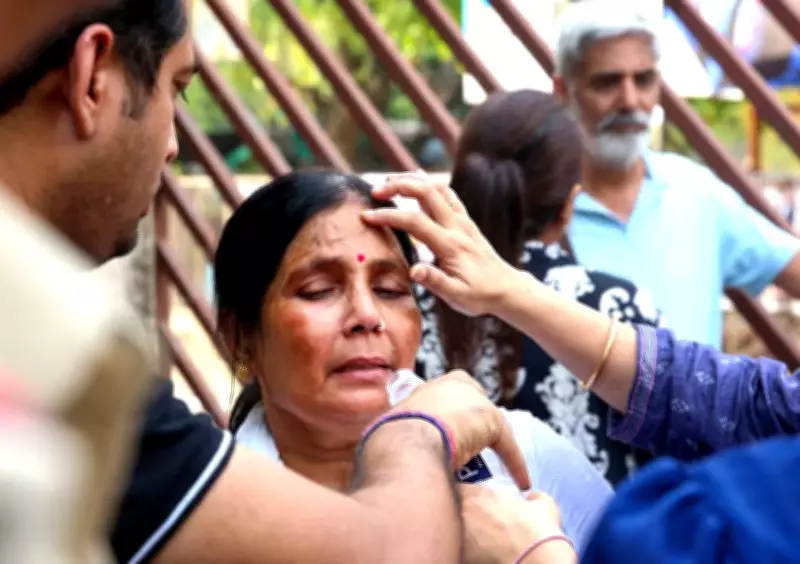
In the intricate dynamics of the marriage market, there is a growing concern that warning signs of domestic abuse are often overlooked or dismissed. This editorial emphasizes the critical need for individuals, families, and society to recognize and act upon these red flags to prevent future harm.
The Hidden Crisis in Relationships
Domestic abuse is not always physical; it can manifest as emotional, financial, or psychological control. In the context of arranged marriages or even love marriages, subtle indicators such as possessiveness, excessive jealousy, or disrespect towards women can be early markers of an abusive nature. Unfortunately, these signs are frequently normalized or excused under cultural or social pressures.
Why Warning Signs Are Ignored
Several factors contribute to the dismissal of abuse indicators. Families may prioritize social status, financial stability, or the fear of societal judgment over the well-being of their daughters or sons. The pressure to marry at a certain age can lead to rushed decisions where red flags are overlooked. Additionally, victims themselves may downplay the severity due to shame, lack of awareness, or hope that the behavior will change after marriage.

The Consequences of Inaction
Ignoring these warning signs often leads to escalating abuse, trapping individuals in toxic relationships. The consequences are severe: mental health issues, physical injuries, and even fatalities. Children in such households also suffer long-term trauma. The societal cost is immense, perpetuating a cycle of violence that affects generations.
Breaking the Cycle: Steps Forward
To combat this issue, a multi-pronged approach is necessary. Education and awareness campaigns can help individuals identify abuse patterns. Families must be encouraged to prioritize character over superficial attributes. Legal frameworks should be strengthened to protect victims and penalize perpetrators. Support systems, including helplines and shelters, need to be accessible and destigmatized.
The Role of Society
Communities play a pivotal role in changing norms. Open conversations about healthy relationships, consent, and equality can shift attitudes. Media and religious leaders can advocate against domestic violence. Schools should incorporate lessons on respect and boundaries. Only through collective action can the marriage market transform into a safe space for all.
In conclusion, the warning signs of domestic abuse must never be ignored. By taking proactive measures, we can save lives and build a society where marriage is a union of mutual respect and love, not a trap of violence.






