

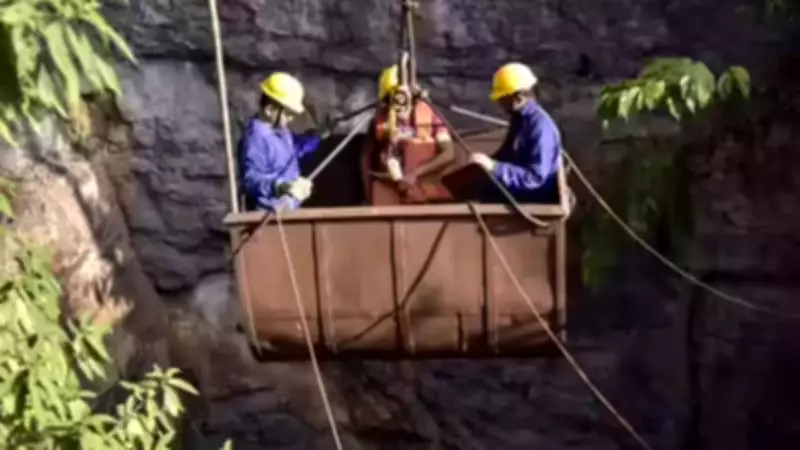
Explosion Rocks Suspected Illegal Coal Mine in Meghalaya, Labourers Feared Trapped
In a tragic incident that has raised serious safety concerns, an explosion rocked a suspected illegal coal mine in Meghalaya's East Jaintia Hills district on Thursday, leaving one person injured and several labourers trapped, with fears mounting that they may have perished. Police officials confirmed the blast occurred in the Thangsku area, highlighting the ongoing risks associated with unlawful mining operations in the region.
Police Confirm Incident, Uncertain Number of Victims
Superintendent of Police Vikash Kumar stated that the explosion took place in the morning hours, but the exact number of individuals inside the mine at the time remains unconfirmed. "Our team has confirmed that the incident took place this morning, but the number of people inside was not confirmed," Kumar told PTI, underscoring the chaotic and dangerous nature of the situation. The injured labourer was initially taken to a primary health centre for immediate care before being referred to Shillong for advanced medical treatment, indicating the severity of the injuries sustained.
Suspected Illegal Mining Activities Under Scrutiny
Authorities suspect that the blast occurred during coal mining activities at the site, which is believed to have been operating illegally. When questioned about the mine's status, Kumar responded, "Yes, it seems like that," pointing to the likelihood of unlawful operations. The exact cause of the explosion is yet to be determined, and an official inquiry will be conducted to investigate the circumstances leading to this devastating event. This incident brings to light the persistent challenges in curbing illegal mining practices despite regulatory measures.

Background on Rat-Hole Mining Ban and Environmental Concerns
The National Green Tribunal (NGT) had imposed a ban on rat-hole coal mining and other unscientific mining practices in Meghalaya back in 2014, citing severe environmental damage and significant safety risks. Rat-hole mining involves digging narrow tunnels, typically 3–4 feet high, through which workers enter to extract coal, often exposing themselves to life-threatening conditions. This method has been widely criticized for its hazardous nature and detrimental impact on the ecosystem, yet incidents like today's explosion suggest that such practices may still be occurring clandestinely.
Implications for Worker Safety and Regulatory Enforcement
This explosion underscores the urgent need for stricter enforcement of mining regulations and enhanced safety protocols to protect labourers in Meghalaya and similar regions. The trapped workers, whose fate remains uncertain, highlight the human cost of illegal mining operations. As the inquiry progresses, it will be crucial to address not only the immediate causes of the blast but also the broader systemic issues that allow such dangerous activities to persist. The community and authorities must work together to ensure that mining practices adhere to legal standards and prioritize worker well-being over profit.






