

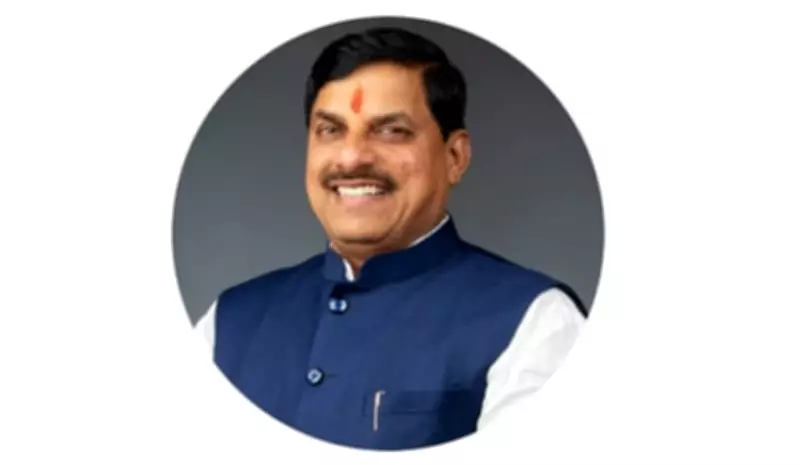
Madhya Pradesh has initiated the process to implement the Uniform Civil Code (UCC), as announced by Chief Minister Dr. Yadav. The move aims to replace personal laws based on religious customs with a common set of rules governing marriage, divorce, inheritance, and adoption for all citizens, irrespective of their faith.
Key Announcement by CM Dr. Yadav
Chief Minister Dr. Yadav stated that the state government has begun consultations and groundwork to draft the UCC. He emphasized that the code would ensure gender equality and social justice, aligning with the constitutional vision of a uniform legal framework. The government plans to form a committee to study existing personal laws and suggest reforms.
Objectives of the Uniform Civil Code
The primary goal of the UCC is to simplify the legal system by eliminating inconsistencies across different personal laws. It seeks to provide equal rights to women in matters of marriage and inheritance, and to promote national integration. The code is expected to be progressive and inclusive, taking into account the diverse cultural fabric of the state.

Reactions and Next Steps
Political parties and social organizations have reacted divergently. Supporters argue that the UCC will modernize the legal system and uphold secular principles, while critics express concerns about religious freedom and the potential erosion of cultural identities. The state government has assured that all stakeholders will be consulted before finalizing the legislation. The process is expected to take several months, with a draft bill likely to be presented in the assembly later this year.
This development places Madhya Pradesh among the states exploring the UCC, following similar moves by Uttarakhand and Gujarat. The central government has also expressed support for a uniform code, though it remains a contentious issue in Indian politics.






