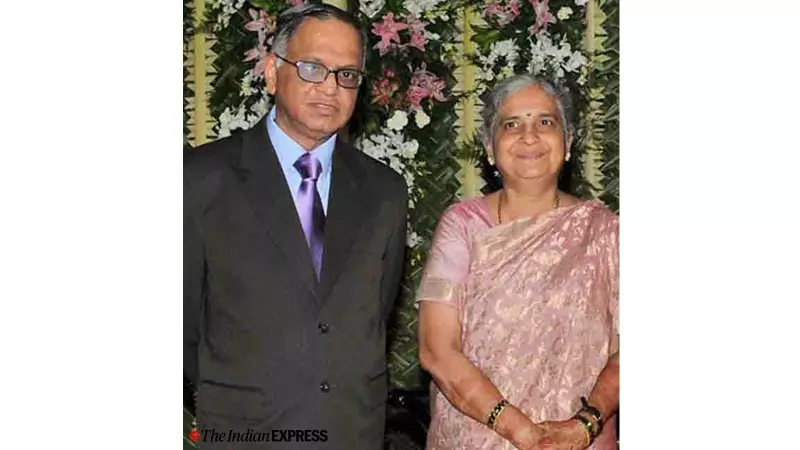
In a powerful commentary that's sparking nationwide debate, Infosys founder Narayana Murthy and acclaimed author Sudha Murty have raised alarm bells about two contentious issues gripping Karnataka - the controversial caste-based survey and the growing culture of freebies.
The Caste Survey Conundrum
Narayana Murthy didn't mince words when expressing his apprehension about the Karnataka government's extensive caste census. "Collecting caste data could reinforce the very divisions we should be moving beyond," he emphasized, highlighting how such exercises might inadvertently strengthen caste identities instead of fostering unity.
The tech visionary pointed to a troubling paradox: "While we aim to create a casteless society, systematically documenting caste details might achieve the opposite effect." His concerns echo those of many intellectuals who worry that caste enumeration could become a tool for political manipulation rather than social empowerment.

The Freebies Epidemic
Equally concerning for the Murthys is the escalating trend of pre-election freebies. Sudha Murty, known for her pragmatic wisdom, questioned the sustainability of such policies. "When governments prioritize short-term populist measures over long-term development, everyone ultimately pays the price," she noted.
The couple's critique comes at a crucial time when Indian states are increasingly using free electricity, cash transfers, and other subsidies as political bargaining chips. "There's no such thing as a free lunch," Murthy reminded, stressing that these apparent 'gifts' are ultimately funded by taxpayers' money.
Broader Economic Implications
Beyond the immediate political concerns, the Murthys highlighted deeper economic dangers:
- Freebie culture distorts fiscal priorities and hampers genuine development
- Caste-based politics diverts attention from merit and capability
- Both trends could negatively impact investor confidence in Karnataka
- The state's reputation as an investment destination might suffer
A Call for Balanced Development
Rather than relying on divisive surveys and unsustainable freebies, the Murthys advocate for a different approach. "True progress comes from creating opportunities, not dependencies," Sudha Murty asserted.
Their message resonates particularly strongly given Narayana Murthy's background in building Infosys from scratch. "We should focus on building robust systems that empower people to stand on their own feet," he suggested, emphasizing education, skill development, and job creation as sustainable alternatives.
As Karnataka navigates these complex social and economic challenges, the Murthys' warnings serve as a crucial reminder that populist shortcuts often lead to dead ends, while inclusive, sustainable development remains the only proven path to lasting prosperity.