

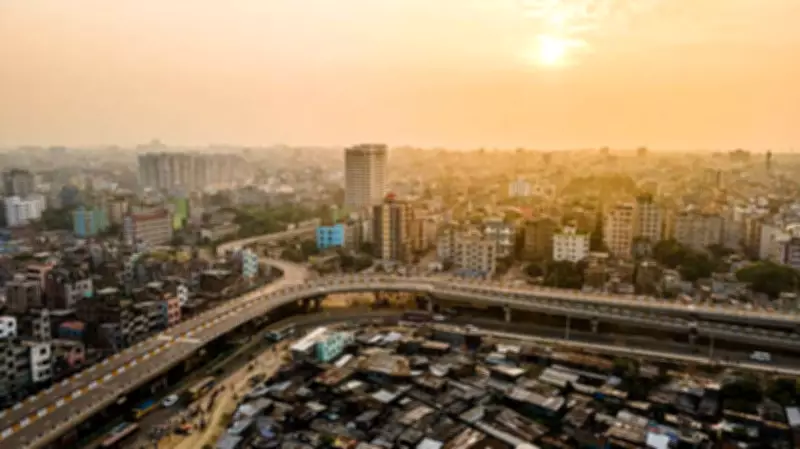
Neighborhood Transformations Outpace Urban Policy and Planning in India
Across India's bustling cities and towns, a silent revolution is unfolding at the neighborhood level. This transformation is not guided by official blueprints or government mandates but is driven by a powerful force: grassroots affordability. As urban populations swell and housing costs soar, communities are taking matters into their own hands, reshaping their living spaces in ways that often bypass formal urban planning and policy frameworks.
The Story of Grassroots Urban Change
This phenomenon represents a significant shift in how urban environments evolve. Traditionally, urban development has been top-down, with planners and policymakers designing cities from above. However, the current wave of neighborhood transformations tells a different story—one where residents, facing economic pressures, initiate changes that respond directly to their needs for affordable housing, amenities, and infrastructure.
These transformations are outpacing official policy at an alarming rate. While urban planning documents may languish in bureaucratic delays, neighborhoods are dynamically adapting through informal extensions, shared spaces, and community-led upgrades. This disconnect raises critical questions about the relevance and effectiveness of existing urban governance structures.

Affordability as the Driving Force
At the heart of this movement is a redefined concept of affordability. It's not merely about low-cost housing but encompasses access to basic services, transportation, and social networks. Communities are innovating solutions—such as converting commercial spaces into residential units or creating multi-use buildings—that official policies often fail to address.
This grassroots approach highlights a gap in urban planning. Planners typically focus on large-scale projects, while neighborhood-level changes occur organically, driven by immediate necessities. As a result, cities are becoming patchworks of formal and informal developments, with the latter often providing more responsive and cost-effective solutions for residents.
Implications for Urban Sustainability
The rapid pace of these transformations poses both opportunities and challenges:
- Positive Impacts: Enhanced community cohesion, tailored solutions to local problems, and increased housing stock without government intervention.
- Negative Risks: Potential for unregulated construction, strain on infrastructure, and conflicts with long-term urban sustainability goals.
Urban planners and policymakers must acknowledge this trend. Instead of resisting it, they could integrate grassroots innovations into formal frameworks, ensuring that neighborhood transformations contribute to sustainable, equitable urban growth. This requires flexible policies that recognize the agency of communities while safeguarding public interests.
In conclusion, the story of neighborhood transformations in India is a testament to human ingenuity in the face of urban challenges. As these changes continue to outpace policy, it calls for a reevaluation of urban planning paradigms to better align with the realities of affordability-driven development.






