Patna's Land Reclamation Project Targets 20 Lakh Tonnes of Legacy Waste
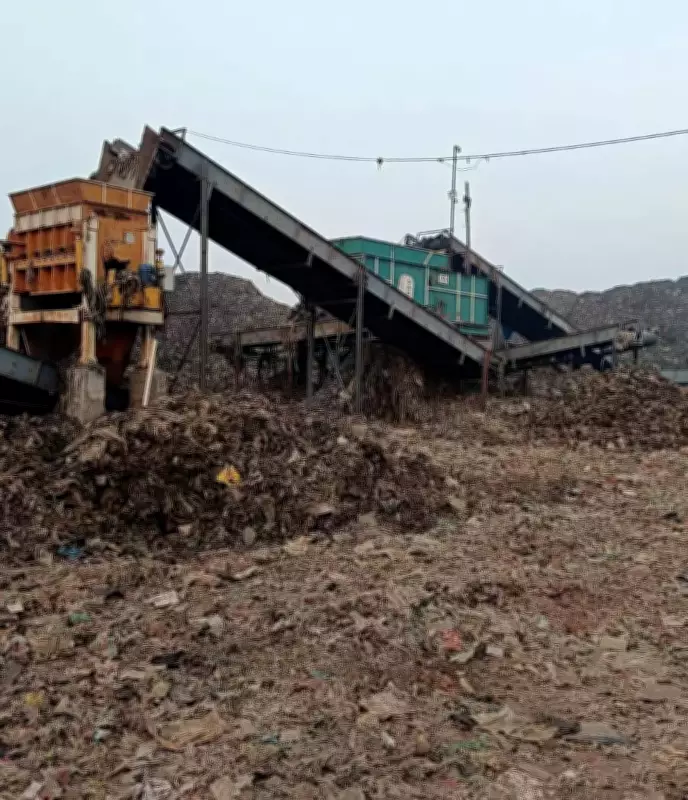
In a significant environmental initiative, the Patna Municipal Corporation (PMC) is spearheading a major land reclamation effort at Ramchak Bairiya, with the ambitious goal of processing approximately 20 lakh metric tonnes of legacy waste. Since biomining operations commenced two years ago, three dedicated agencies involved in the project have successfully cleared over eight lakh tonnes of this accumulated waste, marking substantial progress in the city's waste management overhaul.
Strict Deadline Set for Completion
During a recent inspection, Municipal Commissioner Yahpal Meena issued a directive to officials, emphasizing the need to achieve the reclamation target by May 31, 2026. This deadline is strategically set to ensure the site is fully secured and organized before the monsoon season begins, preventing potential environmental hazards and operational disruptions.
Future Use of Reclaimed Land
Upon completion of the reclamation, the 50-acre land parcel will be repurposed for the construction of an integrated solid waste management (ISWM) plant. Currently, the site is processing more than 2,000 tonnes of legacy waste daily, showcasing the scale and efficiency of the ongoing operations.

Segregation Process for Maximum Utility
A senior PMC executive, who requested anonymity, detailed the segregation process during the reclamation phase. The legacy waste is being categorized into three distinct streams to optimize utility and ensure environmental safety:
- Refuse-Derived Fuel (RDF): Accounting for 20% of the processed material, this category is supplied to cement and thermal power plants as an alternative fuel source.
- Bio-Soil: Comprising 50% of the waste, this is derived from biodegradable materials that decompose into organic manure, suitable for agricultural use or as filler in low-lying areas.
- Inert Waste: Making up the remaining 30%, this includes rocks, boulders, and ceramics, which are repurposed as construction filling material.
For this extensive operation, PMC is paying around Rs 395 per tonne to the three agencies responsible for processing the waste, highlighting the financial investment in sustainable waste management.
Environmental Clearances and Public Engagement
Alongside the physical reclamation, PMC is actively working to secure environmental clearances from the pollution control board. This involves preparing a comprehensive report that analyzes potential impacts on air quality, soil composition, water health, and noise levels, while also outlining mitigation measures to minimize environmental effects.
As part of the clearance process, a public hearing will be organized for residents living near the Bairiya area. This step aims to address community concerns and ensure transparency before the project advances to the construction phase, fostering public trust and involvement.
Integrated Solid Waste Management Plant Details
The proposed ISWM plant is designed to process municipal waste not only from Patna but also from 12 surrounding urban local bodies. An online tender has been floated to attract private players, with the bidding process currently underway. Once construction begins, the facility is expected to take approximately two years to become operational.
Upon functionality, the plant will revolutionize Patna's waste management system by converting wet waste into compost and compressed biogas (CBG) for use as fuel. Dry waste will be directed to a material recovery facility for systematic segregation into recyclable and non-recyclable streams.
Recyclable materials will be processed into granules for manufacturing items such as slippers and raincoats, promoting a circular economy. Non-recyclable dry waste that cannot be composted will be processed as RDF to generate 15 MW of electricity, which will be integrated into Patna's power grid to support the city's energy requirements, contributing to sustainable urban development.