

From Prison Walls to Financial Independence: How Vocational Training is Transforming Lives
For years, their world was confined by high walls, iron gates, and a daily struggle to maintain hope. Now, a group of women in Noida are meticulously piecing their lives back together, utilizing vocational skills acquired during incarceration in Dasna and Luksar jails to earn a living, raise children, and reclaim their dignity after release.
A Personal Journey of Transformation
Reena (name changed upon request) understands this transformative journey intimately. Arrested in 2022 under accusations of her husband's murder, she entered Dasna jail at the age of twenty-two, burdened by a criminal case and separated from her five-year-old daughter. After securing bail last year and returning to Noida, she was determined to establish financial independence.
Today, Reena earns a modest income as a freelance beautician in her neighborhood, a profession she learned within the prison walls. "Before jail, I was solely a homemaker. My husband subjected me to regular abuse, and I possessed no financial autonomy. In jail, I enrolled in a beautician course. I resolved that upon release, I would earn independently and not rely on anyone for household expenses," she recounted.

Community and Celebration at Women's Day Gathering
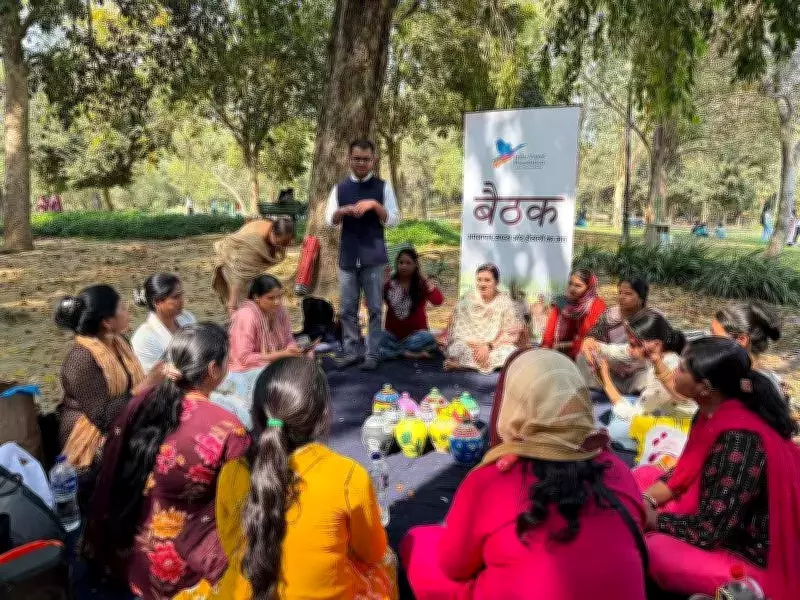
On a recent Saturday, Reena joined numerous other former inmates from Dasna and Luksar jails at Delhi's Lodhi Garden for a Women's Day event organized by the India Vision Foundation. This non-profit organization, founded by former IPS officer Kiran Bedi, specializes in assisting women reconstruct their lives post-incarceration. For many attendees, this marked their first public engagement since release. "Many were unaware such a day existed until we informed them," a coordinator noted.
Prison Barracks as Classrooms for Skill Development
Within Dasna and Luksar jails, prison barracks frequently serve dual purposes as educational classrooms. Inmates dedicate hours each week to learning practical trades, including:
- Beauty services and cosmetology
- Tailoring, sewing, and crochet work
- Fundamental computer literacy and skills
- Adult literacy programs for those without prior schooling
For numerous women, this represents their inaugural opportunity to acquire professional skills that can be converted into sustainable income upon reintegration into society.
Building Confidence and Livelihood Opportunities
"Many women enter jail with minimal financial independence or work experience. When they commence learning these skills, it instills confidence and opens possibilities for earning a livelihood post-release," explained Hussain Zaidi, who oversees the foundation's rehabilitation program in both jails.
One former inmate from Luksar jail, who was arrested alongside her husband in a narcotics case, spent nearly five years in custody before being acquitted by the court. During her incarceration, she completed a basic computer course through the program. After her release, the certification facilitated her employment in a data entry position at a private company in Noida's Sector 4. Her salary now sustains household necessities and funds her son's education.
A Path to Dignity and Self-Sufficiency
These narratives underscore a broader movement towards rehabilitation and empowerment. The vocational training initiatives not only provide tangible skills but also foster a sense of purpose and self-worth among participants. As these women navigate the challenges of reintegration, the skills learned behind bars become crucial tools for building stable, independent futures, transforming former inmates into contributing members of their communities in Noida and beyond.






