Pune Municipal Corporation Intensifies Plastic Ban Enforcement After Flooding Incident
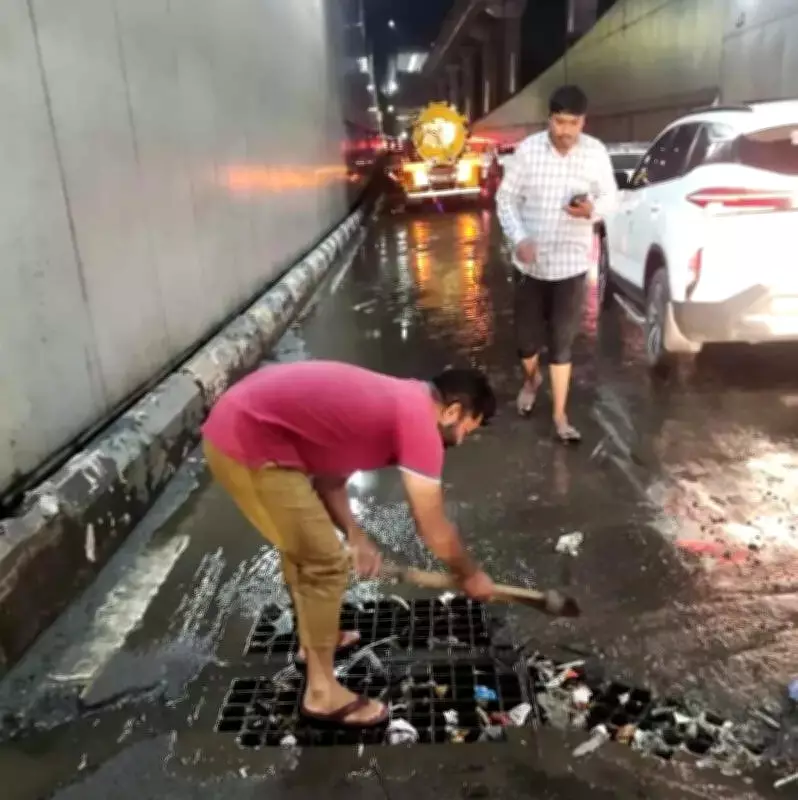
In the wake of severe flash flooding triggered by unseasonal heavy rainfall on April 2, the Pune Municipal Corporation (PMC) has announced a renewed and aggressive drive against the use and trade of banned plastic materials. Civic officials directly attribute the extensive waterlogging that submerged parts of the city to plastic waste obstructing stormwater drains and chambers.
Flooding Exposes Systemic Waste Management Failures
The intense downpour led to a flood-like situation across Pune, revealing large accumulations of plastic debris stuck in drainage systems. This blockage prevented efficient water runoff, exacerbating the urban flooding. In response, PMC is launching fresh legal actions and fines targeting individuals and businesses flouting the longstanding plastic ban regulations.
Activists Decry Drive as Superficial Face-Saving Measure
The announcement has been met with sharp criticism from civic activists and environmental enthusiasts. They argue that PMC's initiative is merely an act of public relations face-saving following administrative mismanagement. Critics contend that the civic body has consistently failed to take stringent action against manufacturers of non-biodegradable plastics, with enforcement drives typically surfacing only after disasters to pacify public anger before fading away.

PMC's Enforcement Data Reveals Limited Action
PMC data from January to March this year shows relatively minimal enforcement:
- Legal action, including fines, against only approximately 200 individuals.
- Seizure of 920 kilograms of banned plastic materials.
- Collection of fines totaling Rs 11.46 lakh during this period.
This limited scope of action raises questions about the consistency and effectiveness of the plastic ban implementation.
Scope of the Plastic Ban and Garbage Statistics
As per PMC directives, the ban comprehensively covers:
- Manufacturing, importing, stocking, distribution, and sale of single-use plastics.
- Specific items including plastic bags, polypropylene bags, wrapping films on sweet boxes, plastic cutlery, straws, balloon sticks, ear bud sticks, invitation cards, and cigarette packets.
- Plastic with thickness ranging from 75 to 120 microns, effective from December 31, 2022.
Pune generates nearly 1,600 metric tonnes of garbage daily, comprising:
- 250 tonnes of wet garbage
- 850 tonnes of dry garbage
- 500 tonnes of mixed garbage
Approximately 15% of this daily waste is plastic, highlighting the scale of the challenge.
Residents Highlight Garbage Segregation Issues
Beyond plastic enforcement, residents are demanding better management of garbage segregation spots. KN Peethambaran, a Balewadi resident, cited a segregation site near Sai Chowk causing public nuisance:
"A patch of footpath near a thickly populated residential area is being utilised for garbage segregation, rendering the pavement useless. The entire spot stinks terribly and most pedestrians avoid it. Such activities could also lead to spread of diseases," he claimed.
PMC Officials Promise Intensified Action
When contacted, Avinash Sapkal, Deputy Commissioner of PMC's Solid Waste Management Department, stated: "The civic administration has already appointed ward officers and central teams to conduct drives, but we want to increase the impact of this action. So, instructions have been issued to intensify the same."
The renewed drive represents PMC's attempt to address both immediate flood causes and long-term waste management challenges, though skepticism remains about sustained enforcement beyond the current crisis response.