

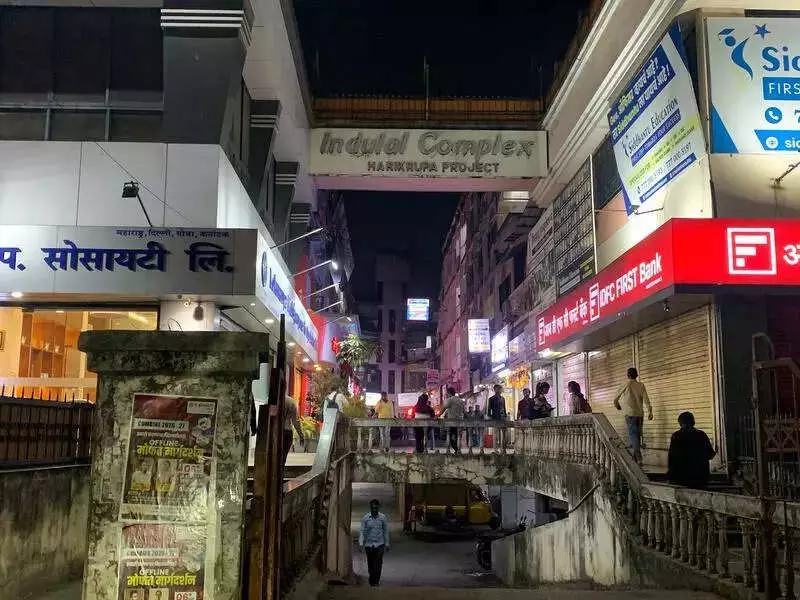
Alarmed by persistent complaints of overcrowding, safety hazards, and poor living conditions for thousands of students, the Pune Municipal Corporation (PMC) has initiated a major drive to regulate study centres and paying guest accommodations in the old city areas.
PMC Steps In After Years of Complaints
The civic body's decision comes after residents and students highlighted the deteriorating situation for years. The issue was formally raised with Additional Municipal Commissioner Prithviraj B P earlier this week. Residents pointed to the immense stress on local infrastructure due to the ever-increasing influx of students, primarily those arriving from across Maharashtra to prepare for competitive exams like the MPSC.
Consequently, the PMC has now ordered a comprehensive survey of all abhyasikas (reading rooms) and the paying guest (PG) system operating in the old city. The aim is to formulate and issue official guidelines for their functioning.

Illegal Parking, Safety, and Hygiene Under Scanner
Prithviraj outlined a host of problems that prompted this action. "There were complaints related to illegal parking, abhyasikas operating in spaces reserved for parking, safety concerns, and hygiene issues due to many students living in cramped rooms," he stated.
A meeting has already been held, and various PMC departments have been tasked with the survey exercise. The commissioner detailed the plan, saying, "What we plan to do is come up with guidelines on the minimum amount of space that should be given to each student within an abhyasika so that they are not overcrowded, how many sanitation facilities should be available, and what safety aspects abhyasikas need to follow."
Guidelines for PGs and Commercial Tax Enforcement
The regulatory push will extend to the sprawling PG ecosystem as well. Prithviraj confirmed that an advisory for PGs will also be issued. This will address the misuse of residential properties and ensure basic living standards.
"For example, if residential units are converted into PGs, then commercial tax should be enforced," he explained. "We will also formulate the minimum space that every student requires in a PG so that, for instance, 15 students are not crammed into a small 1BHK."
The PMC intends to draft these guidelines and then hold consultations with all stakeholders, including police, private class owners, and house owners. "The idea is not to punish anyone but to ensure that the basic needs of the students are taken care of," Prithviraj emphasized, adding that penal action would be considered only at a later stage if necessary.
Fire Incident and the Reality of Student Hardships
The urgency for regulation was underscored by a fire in October last year that destroyed a two-decade-old abhyasika. While no lives were lost, the incident highlighted the potential risks in these often makeshift setups.
Most students using these facilities come from rural backgrounds with limited financial means. An MPSC aspirant shared the harsh reality: "Most students have no money to spend on even half-decent living spaces. Instead of investing in proper accommodation, they split their money to afford a space in the reading rooms and a cot in a room." These abhyasikas charge between Rs 800 and Rs 3,000 per person per month, while the cot accommodation is their only affordable housing option.
Skepticism from Student Bodies
Despite the PMC's announcement, some student leaders remain skeptical about tangible outcomes. Mahesh Gharbude, President of the Competitive Exams Students Association, recalled that similar promises were made after last year's fire but little changed.
"The abhyasikas running in basement parking areas or makeshift arrangements on terraces of buildings, which are illegal, were shut for a few days but were back to normal within 10 days," Gharbude stated. He pointed out the core issue of affordability, noting that most abhyasikas have inadequate washrooms, and enforcing strict PG rules is difficult because the cost of living in Pune is exorbitant for a poor student.

"Unless they are able to provide cheap hostels for students, living conditions will remain the same," he concluded, casting doubt on the survey's long-term impact without concrete alternative housing solutions from the authorities.
