

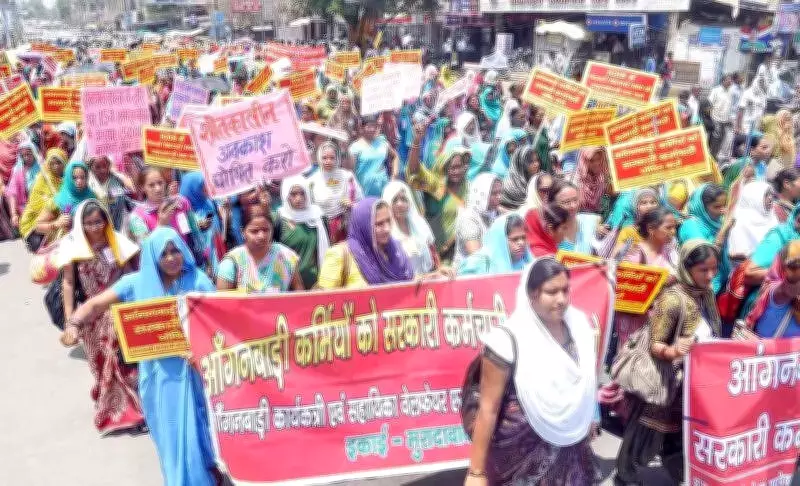
Punjab Anganwadi Workers Raise Alarm Over Non-Core Duties
In a significant development from Bathinda, Anganwadi workers across Punjab have joined teachers in voicing strong complaints about being assigned duties that fall outside their official job profiles. These frontline workers, who receive a monthly emolument of Rs 11,000, report being deputed to various government schemes, creating a strain on their primary responsibilities.
Expanding Duties Beyond Core Functions
The workers have been tasked with participating in multiple initiatives, including the drug census, general census operations, the Chief Minister Health Card scheme, and the Mukh Mantri Maava Dhiyan Satkar Yojana. This latter program provides cash incentives of Rs 1,000 and Rs 1,500 to eligible women over 18 years of age.
"We have been asked not to take rest even on Sundays," stated All Punjab Aaganwadi Mulazam Union state president Hargobind Kaur on Wednesday. Her remarks highlight the increasing workload burden faced by these essential workers.

Core Responsibilities Versus Additional Assignments
Punjab employs 27,556 Anganwadi workers who manage numerous Anganwadi centers throughout the state. Their fundamental job profile centers on:
- Caring for young children and pregnant women
- Providing nutritional diet guidance and support
- Operating preschool programs for children aged 3 to 6 years
These core functions are now being compromised by the additional administrative and fieldwork requirements of various government schemes.
Parallel Concerns Among Teachers
The situation mirrors complaints from Punjab's teaching community, who have similarly been assigned various non-teaching duties despite repeated government assurances that teachers would not be deputed for other schemes. This pattern suggests a broader trend of utilizing educational and childcare personnel for general administrative work.
Compensation and Political Concerns
Kaur emphasized that workers are not receiving minimum wages despite their expanded responsibilities. She specifically criticized the working conditions under the Maava Dheeyan Satkar Yojana, describing it as "very cumbersome" because workers must operate according to the directions of a Satkar Sakhi, who is appointed based on the preferences of the ruling party.
This arrangement raises questions about the potential politicization of welfare scheme implementation and the additional bureaucratic layers affecting frontline workers.
Broader Implications for Social Services
The protest by Anganwadi workers highlights systemic challenges in Punjab's social service delivery mechanisms. When workers dedicated to maternal and child health are diverted to other administrative tasks, it potentially undermines the quality and consistency of essential services for vulnerable populations.
The situation calls for a reevaluation of workforce deployment strategies to ensure that specialized workers can focus on their designated roles while maintaining the integrity of various government welfare initiatives.






