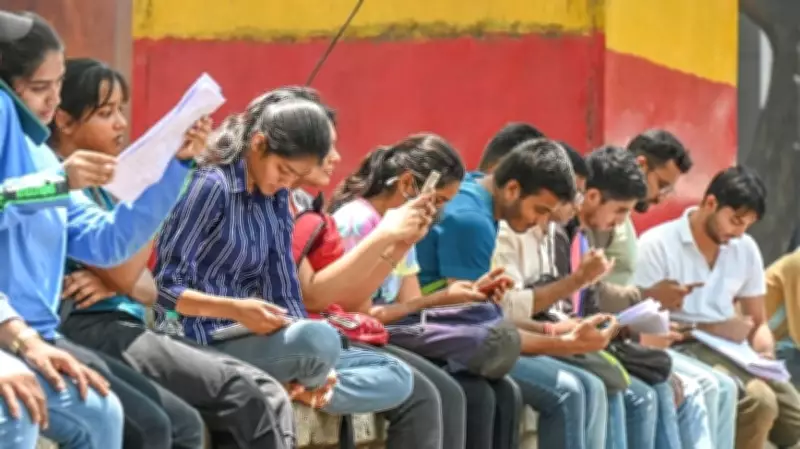
India's shadow classrooms, the vast network of after-school tutoring centers, have become an integral part of the educational landscape. These private coaching institutes promise to boost academic performance, but they also highlight a deep divide in learning opportunities.
The Rise of Shadow Education
In recent years, the demand for private tutoring has surged, driven by intense competition for limited seats in prestigious schools and colleges. Parents, anxious about their children's future, invest heavily in these supplementary classes, often at the expense of family time and extracurricular activities. The shadow education sector in India is now estimated to be worth billions of dollars, with millions of students enrolled.
Who Benefits?
The primary beneficiaries are students from affluent families who can afford high-quality coaching. These students gain an edge in exams, reinforcing their academic advantages. In contrast, students from lower-income backgrounds often lack access to such resources, widening the achievement gap. This disparity is particularly pronounced in rural areas, where tutoring centers are scarce or of poor quality.

Impact on Formal Education
The prevalence of shadow classrooms raises questions about the effectiveness of formal schooling. Critics argue that the focus on rote learning and exam preparation in tutoring centers undermines the broader goals of education, such as critical thinking and creativity. Moreover, teachers in regular schools may feel less motivated, knowing that students rely on external coaching for exam success.
Policy Implications
Addressing the inequality perpetuated by shadow education requires systemic reforms. Policymakers need to strengthen the quality of public schooling, provide targeted support for disadvantaged students, and regulate the tutoring industry to ensure ethical practices. Without such measures, the shadow classroom phenomenon will continue to reinforce social stratification rather than promote equal opportunity.