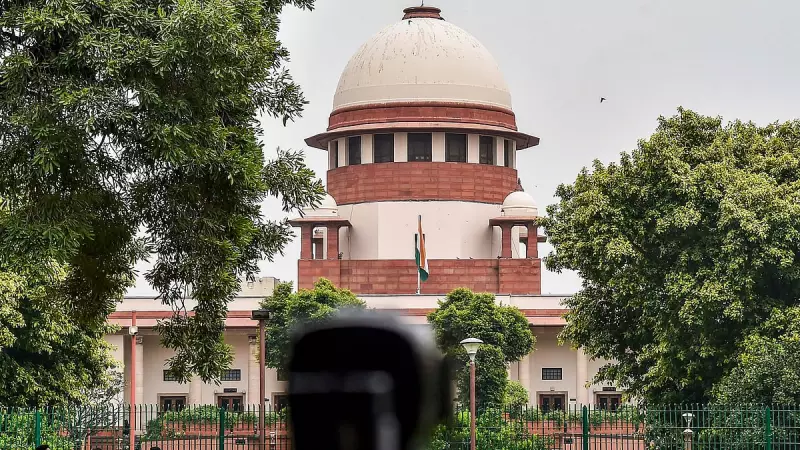
Supreme Court Adjourns Hearing on Delhi School Fee Regulation Law Challenge
The Supreme Court of India has adjourned the hearing on a significant plea challenging the newly enacted law that regulates school fees in Delhi. This development marks a pivotal moment in the ongoing legal battle over educational governance and financial autonomy in the capital's private school sector.
Legal Challenge by Private School Associations
The apex court was hearing petitions filed by associations representing private unaided schools in Delhi. These educational institutions are contesting the constitutional validity and practical implications of the Act, along with its subsequent rules. The law aims to standardize and control fee structures across schools, but opponents argue it infringes on their operational freedoms and financial sustainability.
Background of the Fee Regulation Act
The Delhi government introduced this legislation to address long-standing concerns about arbitrary fee hikes and ensure affordability in education. Key provisions include:

- Transparency mandates requiring schools to disclose fee components and justify increases.
- Capping mechanisms to prevent excessive charges beyond prescribed limits.
- Oversight committees empowered to review and approve fee structures annually.
Private school associations, however, contend that these measures are overly restrictive and could compromise educational quality by limiting resources for infrastructure, teacher salaries, and academic programs.
Implications for Stakeholders
The adjournment delays a final judicial ruling, leaving parents, schools, and policymakers in a state of uncertainty. For families, the outcome could impact tuition costs and access to quality education. For schools, it affects financial planning and autonomy. The case also highlights broader debates on balancing regulatory oversight with institutional independence in India's education system.
Legal experts suggest the Supreme Court's eventual decision will set a precedent for similar fee regulation laws in other states, influencing national education policy. The adjournment allows both sides to prepare more comprehensive arguments, potentially involving economic analyses and comparative studies from other jurisdictions.
As the hearing resumes, all eyes will be on the judiciary's interpretation of educational rights, economic principles, and governmental authority in shaping Delhi's academic landscape.