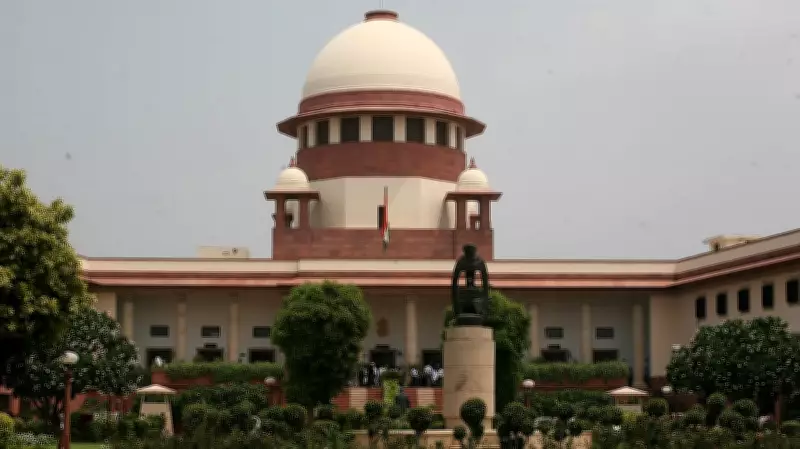
Landmark Supreme Court Ruling Mandates Free Sanitary Products and Accessible Toilets in All Indian Schools
In a historic judgment aimed at promoting menstrual hygiene and inclusive education, the Supreme Court of India has issued a sweeping directive that will transform school infrastructure across the nation. The apex court has mandated that all schools, irrespective of their management—whether state-run, private, or aided—must provide free sanitary napkins to students and ensure the availability of separate, disabled-friendly toilets.
Comprehensive Directive for States and Union Territories
A Supreme Court bench delivered this groundbreaking order, explicitly instructing all states and Union Territories to implement these measures without delay. The ruling emphasizes that no school, regardless of its administrative control, is exempt from these requirements. This uniform application ensures that students from diverse backgrounds and regions will benefit equally from these essential facilities.
The court's directive addresses two critical aspects of student welfare:

- Free Sanitary Napkins: Schools must supply sanitary napkins at no cost to students, removing financial barriers that often hinder access to menstrual hygiene products.
- Separate and Accessible Toilets: Institutions are required to maintain separate toilet facilities for students, with a specific emphasis on making them disabled-friendly to ensure inclusivity for all learners.
Significance for Women's Welfare and Educational Equity
This ruling marks a significant advancement in women's welfare and educational equity in India. By mandating free sanitary products, the Supreme Court acknowledges the importance of menstrual hygiene management in reducing school absenteeism among girls. Studies have consistently shown that lack of access to sanitary facilities and products is a major factor contributing to girls dropping out of school or missing classes during their menstrual cycles.
Furthermore, the requirement for disabled-friendly toilets underscores the court's commitment to creating an inclusive educational environment. This provision ensures that students with disabilities have equal access to sanitation facilities, promoting their dignity and participation in school life.
Implementation Challenges and Expected Impact
While the ruling sets a clear legal framework, its successful implementation will depend on coordinated efforts between central and state governments, school administrations, and local communities. Key challenges may include:
- Ensuring adequate funding and supply chains for sanitary napkins.
- Retrofitting existing school infrastructure to meet disabled-friendly standards.
- Monitoring compliance across thousands of schools nationwide.
Despite these challenges, the judgment is expected to have a profound impact on:
- Improved school attendance and retention rates, particularly among adolescent girls.
- Enhanced health outcomes by promoting better menstrual hygiene practices.
- Greater social inclusion for students with disabilities.
- Reduced stigma surrounding menstruation through institutional support.
The Supreme Court's intervention in this matter highlights the judiciary's role in addressing systemic gaps in public welfare. By linking access to sanitary products and proper toilets with the fundamental right to education, the court has set a precedent for future policies aimed at creating more equitable learning environments. This ruling not only addresses immediate practical needs but also contributes to broader societal shifts in attitudes toward menstrual health and disability inclusion.