

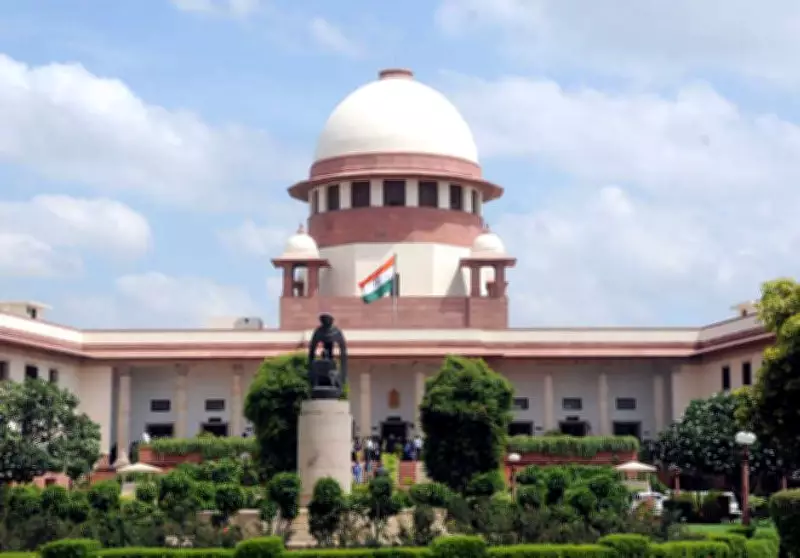
In a landmark judgment aimed at dismantling deep-seated social taboos, the Supreme Court of India has issued a directive to educate boys about menstruation as part of the school curriculum across the nation. This ruling underscores the judiciary's commitment to fostering a more inclusive and informed society by addressing the pervasive stigma surrounding menstrual health.
Judicial Push for Gender Sensitivity in Education
The apex court emphasized that menstrual education is not solely a women's issue but a matter of public health and gender equality that requires collective understanding. By mandating that boys receive comprehensive information about menstruation, the court seeks to normalize conversations around this natural biological process and eradicate misconceptions that often lead to discrimination and shame.
Implementation Across Educational Institutions
The directive calls for the integration of menstrual education into existing school syllabi, ensuring that boys from a young age are taught about the physiological, emotional, and social aspects of menstruation. This initiative is expected to be rolled out in collaboration with state governments and educational boards, with a focus on age-appropriate content that promotes empathy and respect.

Experts hail this move as a crucial step toward breaking the silence and stigma that have long surrounded menstruation in Indian society. By involving boys in the discourse, the Supreme Court aims to cultivate a generation that views menstrual health as a normal part of life, thereby reducing gender-based biases and promoting healthier attitudes.
Broader Implications for Public Health and Society
Beyond the classroom, this ruling is anticipated to have far-reaching effects on public health initiatives and social norms. Educating boys about menstruation can lead to increased support for women and girls, improved access to menstrual hygiene products, and a reduction in practices that marginalize individuals during their menstrual cycles.
The Supreme Court's decision aligns with global efforts to promote menstrual equity and highlights India's progressive stance on gender issues. As schools begin to implement this directive, it is hoped that the next generation will grow up with a more nuanced and compassionate understanding of menstrual health, paving the way for a more equitable society.






