

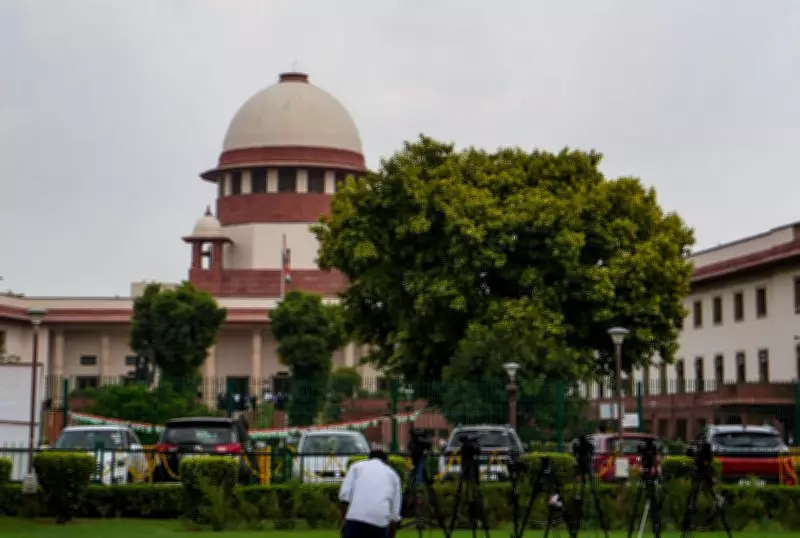
The Supreme Court of India has issued a landmark directive mandating all high courts to pronounce judgments within a stipulated timeframe, addressing the chronic issue of delayed verdicts that has plagued the Indian judiciary. The apex court's order, aimed at ensuring timely justice, requires high courts to deliver judgments within three months from the date of reserving the case. In exceptional circumstances, an extension of up to six months may be granted, but only with recorded reasons.
Background of the Directive
The decision comes in response to a public interest litigation highlighting the inordinate delays in high court judgments, which often stretch for years, undermining public confidence in the judicial system. The Supreme Court emphasized that timely justice is a fundamental right under Article 21 of the Constitution. The bench, led by Chief Justice of India, observed that prolonged waiting for verdicts causes immense hardship to litigants and erodes the credibility of the judiciary.
Key Provisions of the Order
The directive includes several key provisions to enforce accountability. High courts must now adhere to a strict timeline: judgments should be pronounced within 90 days of the conclusion of arguments. If a judge fails to meet this deadline, the chief justice of the respective high court is empowered to reassign the case to another bench. Additionally, the Supreme Court has instructed all high courts to upload the status of pending reserved judgments on their websites, ensuring transparency.

- Three-month rule: Verdicts must be delivered within three months of reserving the case.
- Extension clause: Only in exceptional cases can the timeline be extended to six months, with written justification.
- Monitoring mechanism: Chief justices of high courts must periodically review pending reserved judgments and take corrective action.
- Transparency: High courts are required to publish a list of cases where judgments are awaited, updated monthly.
Impact on Judicial Efficiency
Legal experts have welcomed the move, stating that it will significantly reduce the backlog of cases and expedite the delivery of justice. The Supreme Court's order is expected to bring about a cultural shift in the judiciary, where judges will prioritize timely pronouncements. However, some concerns have been raised about the feasibility of the timeline given the heavy workload in many high courts. The apex court has acknowledged these challenges but maintained that the directive is necessary to uphold the right to speedy justice.
Reactions from Stakeholders
The Bar Council of India has expressed support for the directive, noting that it will enhance the efficiency of the judicial system. Litigants and civil society organizations have also lauded the move, hoping it will reduce the financial and emotional toll of prolonged legal battles. The Supreme Court has clarified that the timeline applies to all civil and criminal cases, except those where a specific statute provides for a different period.
- High courts must ensure that judgments are delivered within three months of reserving the case.
- In case of non-compliance, the chief justice can reassign the case to another bench.
- The directive aims to reduce the pendency of cases and improve access to justice.
Way Forward
The Supreme Court has directed all high courts to submit compliance reports within four weeks, detailing the steps taken to implement the new timeline. The apex court will monitor the progress through periodic hearings. This initiative is part of broader judicial reforms, including the use of technology for case management and the appointment of additional judges to clear backlogs. The ultimate goal is to ensure that every citizen receives timely justice, reinforcing the rule of law in India.






