

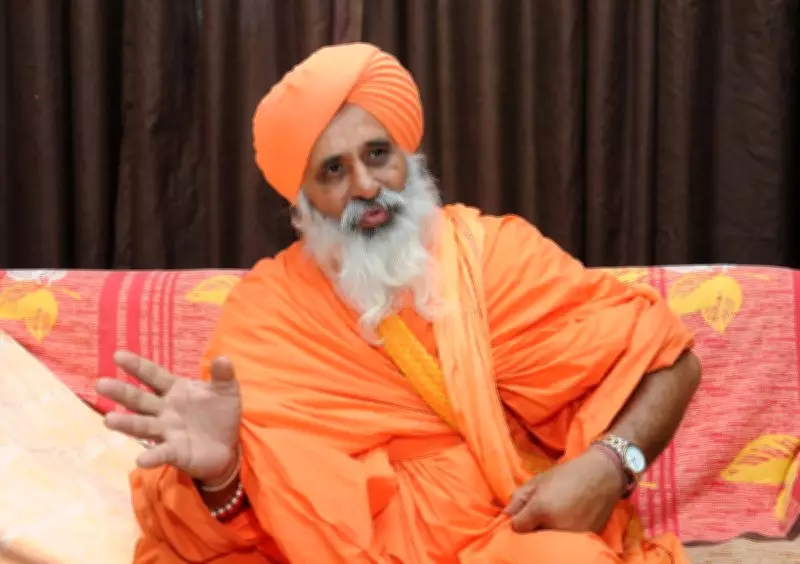
Rajya Sabha Member Seechewal Condemns Commercialisation in Private Schools
In a significant move under the "One Nation, One Education System" initiative, Rajya Sabha member Sant Balbir Singh Seechewal has vocally criticized private schools for alleged malpractices that burden families financially. Speaking in the Upper House, he highlighted how these institutions are promoting the commercialisation of education by compelling parents to purchase books, uniforms, stationery, and other essential materials exclusively from school-authorised outlets.
Financial Exploitation of Ordinary Families
Seechewal emphasized that such practices place a heavy financial strain on ordinary households, making education increasingly unaffordable. He termed these actions not only unethical but also a form of direct financial exploitation targeting common people. Through Question No. 2920 raised in the Rajya Sabha, he specifically inquired about the number of complaints received over the past five years regarding this issue and what measures have been implemented to curb the growing trend of commercialisation in the education sector.
Government Response and Legal Framework
In response, the Central Government shifted responsibility to state governments, citing education as a concurrent subject under the Constitution. Union Minister Jayant Chaudhary referenced Section 12(1)(c) of the Right of Children to Free and Compulsory Education Act, 2009 (RTE), which mandates that private schools reserve at least 25 percent of seats for children from economically weaker and disadvantaged sections. The government also noted ongoing efforts to ensure equal and quality education for all under the RTE Act, 2009, and the National Education Policy 2020.

CBSE Guidelines and Enforcement Challenges
Additionally, the minister mentioned that the Central Board of Secondary Education (CBSE) issued a circular in 2018 providing clear guidelines against forcing parents to buy materials from specific vendors. However, a critical question remains: are these circulars sufficient to prevent exploitation? Many schools continue to act arbitrarily despite such directives, raising concerns about the effectiveness of current enforcement mechanisms.
This issue underscores the broader challenge of balancing private sector involvement in education with affordability and accessibility for all families across India.






