

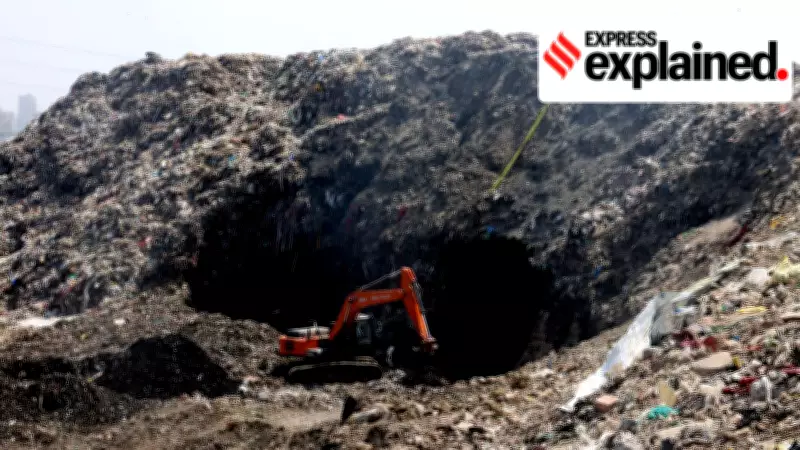
India is grappling with a severe solid waste management crisis, generating over 620 lakh tonnes of waste annually. To combat this escalating issue, the Union Ministry of Environment, Forest and Climate Change has notified the new Solid Waste Management (SWM) Rules, 2026, set to come into force on April 1, 2026. These rules replace the 2016 regulations and mark a significant shift towards a circular economy, emphasizing reduction, reuse, and at-source processing over reliance on landfills.
Addressing the Waste Management Challenge
According to Central Pollution Control Board data from 2023-24, India produces around 1.85 lakh tonnes of waste daily, with 1.79 lakh tonnes collected, 1.14 lakh tonnes processed, and 39,629 tonnes landfilled. The 2026 Rules build upon the 2016 framework but introduce stricter measures to enhance accountability and sustainability. Key changes include a reinforced focus on bulk waste generators, discouragement of landfill use, and promotion of waste segregation to minimize environmental impact.
Key Provisions of the SWM Rules 2026
The new regulations introduce several innovative measures to overhaul waste management across urban and rural areas.

Four-Way Segregation and Waste Hierarchy
The government has established a comprehensive "waste hierarchy" prioritizing prevention, reduction, reuse, recycling, recovery, and disposal as a last resort. A "four-way" segregation system expands the traditional dry-wet waste model by adding sanitary waste (e.g., sanitary towels, condoms) and special-care waste (e.g., medicines, paint cans). Urban local bodies are mandated to place color-coded bins in public spaces: green for wet waste, blue for dry waste, and red for sanitary waste where necessary.
Enhanced Responsibilities for Bulk Generators
Bulk generators, defined as entities with a floor area of 20,000 square metres or more, water consumption of 40,000 litres per day or more, or waste generation of 100 kg/day or more, face extended responsibilities. This category includes residential societies, malls, colleges, hotels, and large townships. They must ensure at-source segregation and hand over recyclable materials to authorized entities within a year. Additionally, gated communities and institutions over 5,000 sq m area, along with resident welfare associations, hotels, and restaurants, are required to comply with these segregation mandates.
Polluter Pays Principle
Under the new rules, non-compliance such as improper waste management, false reporting, or failure to register on a centralized portal will attract environmental compensation. This principle aims to discourage unsegregated waste disposal at landfills by imposing higher fees for mixed waste. The Central Pollution Control Board will develop detailed guidelines to enforce this measure effectively.
Centralized Tracking System
A centralized online portal will be introduced to track all stakeholders and stages of the solid waste lifecycle. Bulk generators, urban local bodies, waste processing agencies, waste pickers, and large authorities like railways and airports must register on this portal. This system enhances transparency and accountability in waste management processes.
Impact on Bulk Generators and Landfills
Bulk generators, including housing societies, will be subject to certification-based compliance. They must register on the portal, submit annual returns by June 30 detailing waste quantity and certificates, and implement on-site wet waste composting or alternatives. Failure to comply will result in compensation penalties. This approach reduces landfill burden by promoting local processing.
Landfills, often criticized for environmental contamination, are designated as a last resort for non-usable, non-recyclable, and non-energy-recoverable waste. Urban local bodies must map legacy landfills by October 31, 2026, and develop plans for bioremediation and biomining to reduce waste mountains. Additionally, waste with a calorific value of 1500 kg calories or more must be used for energy generation through refuse-derived fuel or co-processing in industrial plants.

Industries are set targets to replace solid fuel with refuse-derived fuel, starting at 6% and increasing to 15% over six years. These measures collectively aim to transform India's waste management landscape, fostering a sustainable circular economy and mitigating the pressing waste crisis.





