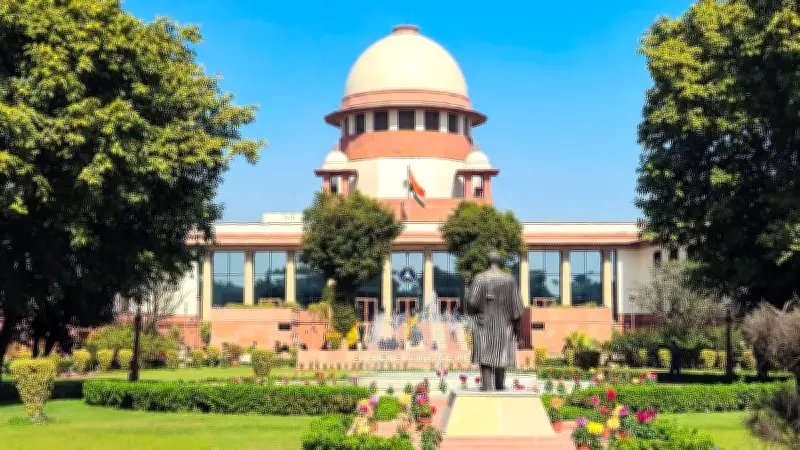
The Supreme Court of India has agreed to examine a 2012 plea that challenges the constitutional validity of laws governing Hindu temples in South India. A bench comprising Justices B V Nagarathna and Satish Chandra Sharma on Monday recalled its earlier order dated April 1, 2025, by allowing review petitions filed against it.
Background of the Plea
The original petition, filed in 2012, questions the legality of certain state legislations that regulate the administration and management of Hindu temples in the southern states. The plea argues that these laws infringe upon religious freedoms and violate the fundamental rights guaranteed under the Constitution. The matter had been pending before the apex court for several years before the earlier order was passed.
Recall of April 2025 Order
On April 1, 2025, the Supreme Court had disposed of the plea, but the decision was challenged through review petitions. On Monday, the bench allowed these petitions, effectively reopening the case for a fresh hearing. The court noted that substantial questions of law required further deliberation.

Implications for Temple Administration
The outcome of this case could have far-reaching implications for the governance of Hindu temples in South India, particularly in states like Tamil Nadu, Andhra Pradesh, Karnataka, and Kerala. The laws under scrutiny include those that empower state governments to appoint trustees, manage temple funds, and oversee daily rituals. Religious groups have long contended that such interventions undermine the autonomy of temple authorities.
Senior advocates representing the petitioners argued that the legislations violate the right to freely practice and propagate religion under Article 25 of the Constitution. They also highlighted that the laws were enacted without proper consultation with religious heads and devotees.
Next Steps
The Supreme Court has scheduled the next hearing for July 2026, allowing both sides to submit detailed written submissions. The bench also directed the registry to list the matter before an appropriate bench for final adjudication. Legal experts believe that the case will set a precedent for the relationship between the state and religious institutions in India.