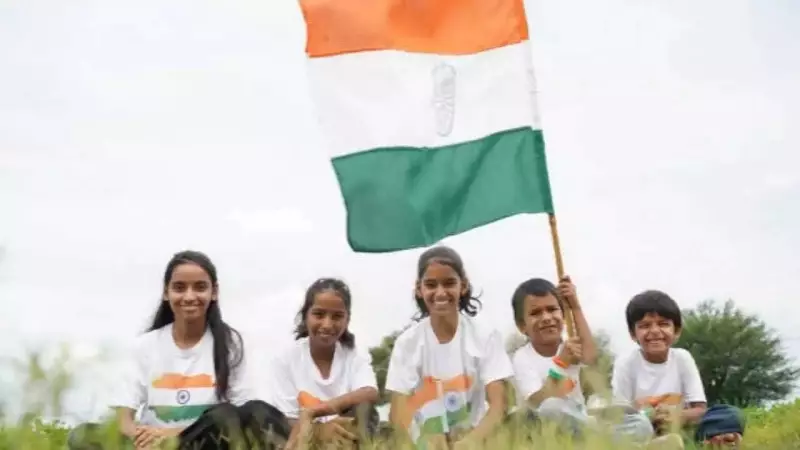
Beyond Flag Hoisting: Transforming Republic Day Into Meaningful Citizenship Lessons
For countless children across India, national days like Republic Day are primarily remembered through vivid visuals—the majestic flag-hoisting ceremonies, stirring patriotic songs, colorful parades, and festive school celebrations. While these traditional observances undoubtedly build national pride and cultural connection, they also present a deeper, often overlooked opportunity for parents. This special occasion allows families to move beyond mere symbolism and introduce meaningful, age-appropriate conversations about what it truly means to be an Indian citizen.
Republic Day: More Than Honoring the Tricolor
Republic Day, observed every January 26th, isn't just about honoring our national flag; it commemorates the historic moment when India gave itself its Constitution. This foundational document establishes the framework for our democracy, rights, and responsibilities. Talking to children about constitutional principles in accessible ways helps them understand that freedom comes with responsibility, and that being a citizen represents an everyday practice—not merely a once-a-year celebration.
Explaining Rights Through Simple, Everyday Language
Children learn most effectively when concepts reflect their daily experiences. Rather than presenting abstract constitutional articles, parents can explain fundamental rights through relatable, concrete examples. A child's right to speak kindly, the right to feel safe and secure at school, or the right to express opinions respectfully—these everyday situations make constitutional principles tangible. Such conversations help children develop an early sense of fairness, equality, and justice.

When children eventually realize that rights exist to protect everyone—including themselves and those around them—they naturally begin to value empathy and consideration. This understanding lays the crucial foundation for raising individuals who appreciate diversity, respect differences, and comprehend why laws exist to ensure dignity and justice for every citizen.
Introducing Duties as Acts of Care, Not Restrictive Rules
Duties often sound restrictive to children when presented as rigid do's and don'ts. Parents can reframe civic duties as acts of care and community contribution. Taking care of public spaces, showing respect to elders, following safety rules, practicing honesty, maintaining simple habits like proper waste disposal, standing patiently in queues, and helping classmates—all represent practical lessons in civic responsibility.
When children understand that duties represent ways of contributing to their community rather than punishing themselves, they feel empowered. This perspective helps young minds recognize that their small, everyday actions genuinely matter, and that responsibility represents a shared effort in building a better society for everyone.
Connecting Rights and Responsibilities Through Real-Life Scenarios
The delicate balance between rights and duties becomes clearest when explained through real-life examples children encounter daily. A child's right to play necessarily comes with the concomitant duty to share space and follow playground rules. Parents can use such ordinary moments—whether sibling disagreements, classroom discipline situations, or community gatherings—as valuable teaching opportunities.
Through these everyday scenarios, children gradually understand that specific rights naturally entail corresponding responsibilities. This developing awareness builds an emergent sense of civic responsibility that extends beyond home and school environments into the broader world.
Raising Thoughtful Citizens, Not Just Patriotic Ones
True patriotism extends beyond slogans and celebrations; it involves raising children who question respectfully, care deeply about their community, and act responsibly toward others. By discussing rights and duties consistently throughout the year—not just during national holidays—parents encourage children to develop informed opinions, ethical values, and critical thinking skills essential for engaged citizenship.

Making Civic Conversations a Daily Routine
Understanding rights and responsibilities gains depth and meaning when children witness these principles in everyday practice. Parents can model responsible behavior by consistently following rules, speaking respectfully to others, and exercising fairness in daily decisions. Many instinctive behaviors—apologizing when wrong, listening patiently to different perspectives, or participating in local community activities—naturally reinforce these civic lessons.
Allowing children to voice their opinions while demonstrating respect for others teaches essential balance. Over time, these small, repeated experiences enable children to internalize civic values, transforming what might otherwise remain abstract concepts into lived habits that shape character long after Republic Day conversations conclude.
The journey toward engaged citizenship begins with simple conversations that connect constitutional principles to children's daily lives. By using Republic Day as a starting point for ongoing dialogue about rights, duties, and community responsibility, parents can help raise a generation of thoughtful, empathetic citizens who understand that building a better India requires everyday practice, not just annual celebration.