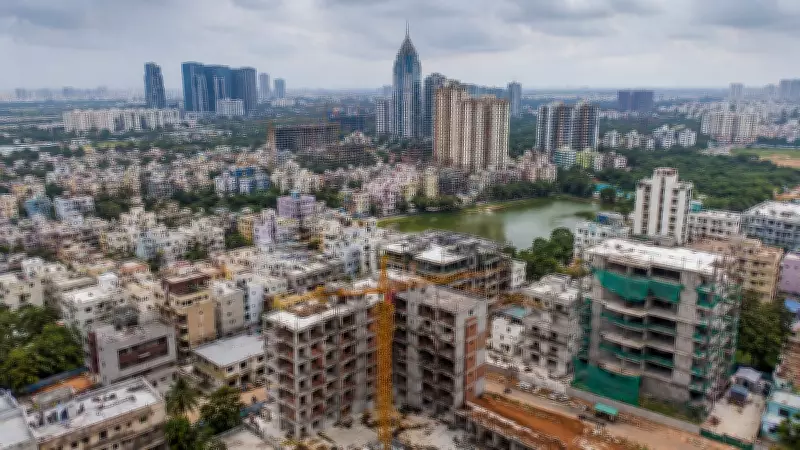
The editorial delves into the complex issue of regularising chaotic urban expansion, a challenge faced by many Indian cities. It argues that while regularisation may seem like a pragmatic solution to informal settlements, it often comes with significant hidden costs that can exacerbate existing problems.
Understanding the Chaos
Unplanned urban growth, commonly seen in the form of slums and unauthorised colonies, arises from rapid urbanisation and inadequate affordable housing. These areas often lack basic amenities such as clean water, sanitation, and electricity. Regularisation, the process of granting legal status to these settlements, is frequently proposed as a remedy.
The Economic Costs
Regularising chaos can impose substantial economic burdens. It often requires massive investments in infrastructure retrofitting, which can be more expensive than planned development. Additionally, it can distort land markets, leading to speculation and increased property prices that further marginalise the poor.

Social and Environmental Implications
Socially, regularisation can create inequalities, as some residents benefit while others are displaced. Environmentally, it may encourage further encroachment on sensitive areas like floodplains or green belts, increasing disaster risks. The editorial highlights cases where regularisation led to overcrowding and strain on public services.
Policy Alternatives
Instead of regularising chaos, the editorial advocates for proactive urban planning that includes affordable housing, secure tenure, and participatory governance. It suggests that preventive measures, such as stricter enforcement of building regulations and timely infrastructure provision, are more sustainable in the long run.
In conclusion, the piece calls for a nuanced approach that balances the need for inclusivity with the imperative of orderly development. It warns against the allure of quick fixes that may ultimately deepen the very problems they aim to solve.