

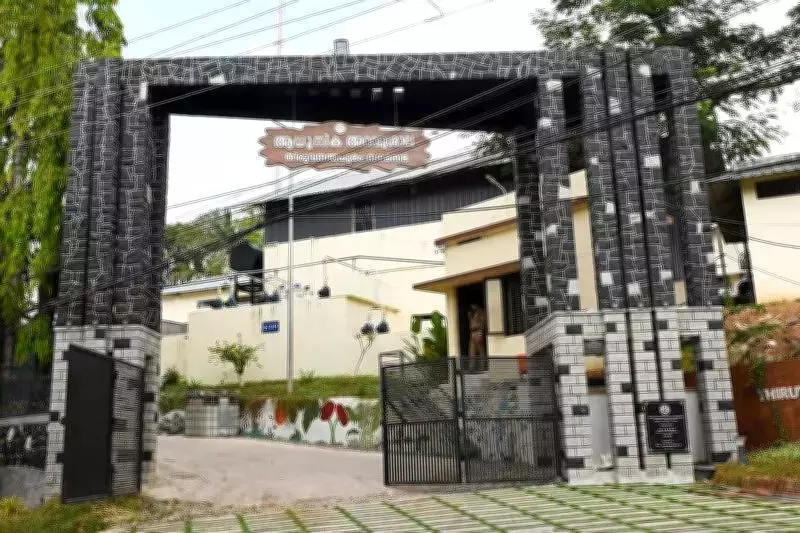
Thiruvananthapuram's Centralised Slaughterhouse Clears Final Hurdle with PCB Approval
The long-awaited modern slaughterhouse at Kunnukuzhy in Thiruvananthapuram is finally poised to become operational after receiving the crucial consent for operation from the Kerala State Pollution Control Board (KSPCB). This development marks the end of a prolonged delay that had kept the facility idle since its formal inauguration in November last year.
Statutory Clearance Paves Way for Commissioning
The PCB issued the consent to operate last week, authorizing the abattoir to function for a five-year period extending up to June 30, 2030. This approval was granted under multiple environmental protection acts, including the Water (Prevention and Control of Pollution) Act, 1974, the Air (Prevention and Control of Pollution) Act, 1981, and the Environment (Protection) Act, 1986. With this clearance, the final statutory obstacle has been removed, allowing the facility to move forward with its commissioning process.
Civic officials have indicated that the slaughterhouse is expected to be fully functional within the next two weeks. The delay in operationalizing the facility had attracted significant criticism from local traders and residents, particularly as the city continued to depend on outdated and decentralised slaughtering arrangements that raised concerns about hygiene and environmental impact.

Stringent Environmental Conditions and Modern Infrastructure
According to the consent order, the slaughterhouse has been categorised as a 'red' category unit, indicating it falls under the highest pollution risk classification. The facility is designed with substantial processing capacity, capable of handling up to 7,000 kilograms of cattle and buffalo meat per day along with 250 kilograms of goat or sheep meat daily.
The project represents a capital investment of Rs 10.55 crore and incorporates advanced pollution control infrastructure, including:
- A 50-kilolitres per day effluent treatment plant
- Biofilters for air pollution control
- A biogas plant for energy generation
- Comprehensive odour control systems
The PCB has stipulated rigorous conditions for operation to ensure environmental compliance:
- Scientific treatment and proper disposal of wastewater
- Segregation of biodegradable and non-biodegradable waste
- Appropriate handling of blood, offal, bones, and other slaughter waste
- Installation of devices for real-time monitoring of key parameters (pH, BOD, COD, and total suspended solids) within six months
Treated effluent can only be discharged into the public sewer system after obtaining additional clearances, ensuring multiple layers of environmental protection.
Operational Timeline and Future Prospects
Corporation Secretary Jahamgeer S. confirmed that with the PCB issuing consent, all statutory approvals are now in place. 'Trial runs will begin shortly and the facility is expected to start full-scale operations within a fortnight,' he stated. The civic body has committed to ensuring strict adherence to the PCB's prescribed environmental and hygiene norms throughout the facility's operation.
The selected private vendor, responsible for the facility's operation and maintenance, is now expected to prepare a detailed business model outlining revenue sharing arrangements with the city corporation. This partnership model aims to ensure efficient management while maintaining regulatory oversight.
Transforming Meat Processing in the Capital City
Once operational, the Kunnukuzhy facility is anticipated to bring about a significant transformation in meat processing practices in Thiruvananthapuram. Officials highlight that the modern slaughterhouse will:

- Replace unscientific and outdated slaughtering practices
- Address long-standing public health concerns
- Mitigate environmental issues associated with traditional meat processing
- Improve overall hygiene standards in the sector
- Bring greater regulation and standardization to meat processing activities
The commissioning of this facility represents a major step forward in urban infrastructure development, balancing industrial needs with environmental responsibility and public health considerations. As Thiruvananthapuram prepares to transition from decentralised slaughtering arrangements to a centralised, regulated system, the Kunnukuzhy slaughterhouse stands as a testament to modern urban planning that prioritizes both efficiency and sustainability.





