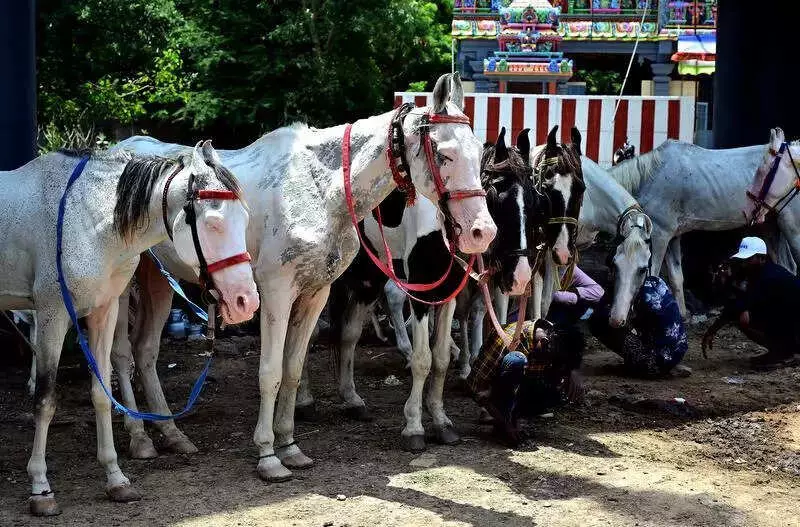
Tamil Nadu Introduces Groundbreaking Policy to Safeguard Working Equines
In a significant move for animal welfare, the Tamil Nadu government has notified a comprehensive new policy to protect ponies, horses, and other working equines across the state. These animals, long subjected to harsh working conditions while hauling tourists on Chennai's Marina Beach, carrying grooms in wedding processions, and carting passengers in various districts, will now receive legal safeguards against exploitation and neglect.
Mandatory Registration and Accountability Measures
The policy, issued through a government order from the animal husbandry department, establishes a robust framework of accountability for equine owners. Every working equine must now be registered with the Tamil Nadu Animal Welfare Board and receive a unique identity that includes microchipping, a health card, vaccination records, and documented ownership details.
Owners must apply to the board with comprehensive information including where the animal is housed, who provides daily care, who attends to hoof maintenance, the animal's age and origin, and whether the owner or caretaker has any pending criminal cases. This registration system creates the first official database of working equines in the state.

Working Conditions and Welfare Standards
The new rules address the most critical welfare concerns that have plagued working equines for decades:
- Capped working hours with a complete ban on using equines between 10am and 4pm during extreme heat conditions
- Mandatory shaded resting areas and continuous access to clean drinking water
- Proper stable requirements of at least 12x12 feet with adequate ventilation, drainage, dry bedding, and protection from sun and rain—a significant upgrade from current makeshift shelters along pavements or river banks
- Nutritional standards requiring at least 3% of body weight in daily feed plus mineral supplements and salt licks
- Regular veterinary check-ups with fitness certificates required every six months
Enforcement Mechanisms and Penalties
For the first time, Tamil Nadu has established a dedicated enforcement structure for equine welfare. "Earlier, we did not have an enforcement mechanism. Now, we have hired an enforcement officer for each district," explained Shruthi Vinodh, member of the Tamil Nadu Animal Welfare Board.
The policy grants authorities power to seize equines that are overloaded, starved, injured, or cruelly treated and transfer them to rehabilitation shelters. Local bodies will conduct regular checks on health and housing conditions after registration and issue operating licenses.
Legal consequences for violations are substantial:
- FIRs can be filed under the Prevention of Cruelty to Animals Act, 1960
- Punishments include potential jail time and financial penalties
- If an animal dies due to neglect, the owner may face a permanent ban from keeping equines
- Repeat offenders may be publicly listed in a registry
- Animals that are retired or seized cannot be returned to work
Retirement and Demographic Scope
The policy establishes clear retirement protocols, requiring equines aged 20 to 21 years (depending on health condition) to be permanently retired from work. Additionally, the rules mandate that only adults may handle these working animals, preventing child labor in equine care.
While a recent survey by the Tamil Nadu Animal Welfare Board documented 122 equines in Chennai alone, officials note significant populations also work in tourist destinations like Kodaikanal and Ooty, as well as in districts including Salem and Dindigul. The new policy applies uniformly across all these regions.
Implementation Timeline and Monitoring
Enforcement will be carried out jointly by the animal welfare board and local municipal bodies. Veterinary officers within local bodies will have authority to levy fines and seize animals when standards are not met. The creation of district-level enforcement positions represents a major step toward consistent policy implementation across Tamil Nadu's diverse geography.

This comprehensive approach—combining registration, welfare standards, enforcement mechanisms, and retirement protocols—positions Tamil Nadu as a leader in working animal protection in India, potentially creating a model that other states might follow to address similar issues with working animals in tourism and transportation sectors.