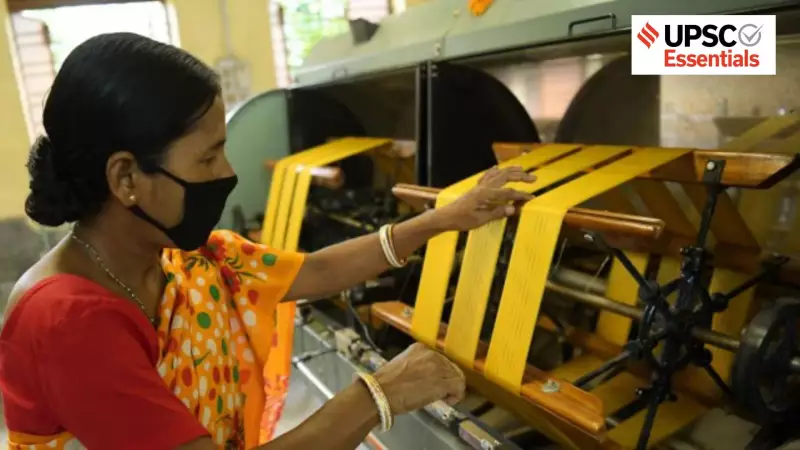
Flexible work arrangements and the digitalisation of jobs were hailed as potential game-changers for women's participation in India's workforce. However, the reality for many working women remains a complex juggling act between paid employment and a disproportionate share of unpaid domestic and care responsibilities. This persistent 'double burden' raises a critical question: do work-from-home (WFH) and digital flexibility actually ease women's work burdens, or do they simply blur the lines between office and home without addressing core inequalities?
Progressive Policies: Right to Disconnect and Beyond
In response to growing demands for better work-life balance, several Indian states are pioneering progressive labour reforms. The Kerala Government has proposed the Right to Disconnect Bill 2025, which, if enacted, would make it the first Indian state with such a law. This bill aims to empower private sector employees to ignore work-related digital communications—like emails, calls, and messages—after official working hours without facing disciplinary action.
This move aligns with similar legislation in countries like France, Spain, and Germany. Parallelly, India's new labour codes permit women to work night shifts across all establishments (with consent and safety measures) and aim to provide equal opportunities for higher earnings. These reforms are crucial in a country grappling with one of the world's lowest Female Labour Force Participation Rates (FLFPR), which has shown a worrying downward trend since 2004-05, despite recent modest gains driven largely by self-employed rural women in agriculture.

The Digital Paradox: Opportunity vs. Overload
The expansion of internet access and digital technologies between 2015 and 2022 has coincided with a recent uptick in FLFPR. Studies indicate a positive link between digitalisation and female employment, as Information and Communication Technology (ICT) can offer flexibility, increase productivity, and open doors to remote work and entrepreneurship. The gig economy and e-commerce platforms, for instance, are seen as flexible avenues, particularly benefiting women with lower education levels and those running micro-enterprises.
However, this digital shift has a flip side, especially in the corporate sector. The pandemic-induced normalisation of WFH has severely blurred the boundaries between professional and personal spaces. A 14-hour workday is often considered 'normal', with employees expected to remain perpetually 'online' and 'available', a pressure exacerbated for those in global roles across different time zones.
For women, this 'always-on' culture compounds existing challenges. Economist Claudia Goldin notes that when care work interrupts paid work under WFH arrangements, women's productive work time shrinks. Childcare and domestic duties remain primarily their responsibility due to entrenched gender norms, meaning flexible work often leads to an overburdened existence managing both paid and unpaid labour simultaneously, rather than a reduced load.
The Imperative for Structural Support Systems
While legal interventions like the Right to Disconnect Bill are a significant step for formal sector workers, experts argue they are insufficient alone. The effectiveness of such measures hinges on complementary, progressive policies that address the root cause of the double burden: the unequal distribution of unpaid care work.
Without robust structural supports—such as subsidised and accessible childcare facilities, affordable crèches, and comprehensive paid parental leave policies—the primary responsibility for balancing work and home will continue to fall disproportionately on women. The corporate sector's high rates of burnout, chronic exhaustion, and anxiety further underscore the need for a systemic overhaul that goes beyond digital flexibility.
The conversation must shift from merely enabling women to work from home to actively redistributing domestic responsibilities and creating supportive infrastructure. Only then can digitalisation and flexible work arrangements translate into genuine gains, easing women's burdens rather than invisibly doubling them.