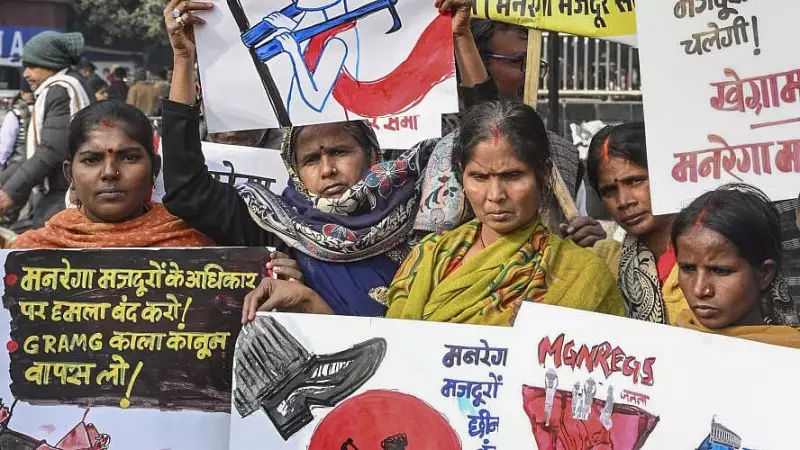
A coalition of women's rights activists has raised significant concerns about the potential impact of the proposed VB-G RAM G Act on female workers across India. They are urgently calling for a broader and more inclusive public consultation process before the legislation moves forward.
Centralisation Poses Threat to Rural Women's Livelihoods
The activists, including prominent voices from the FPC (Feminist Policy Collective), have issued a stark warning. Their primary concern is that the Act's proposed centralisation of employment guarantee schemes could severely hinder access for women, particularly those living in rural and remote villages.
They argue that centralising administrative functions may make it harder for women to secure guaranteed employment. This is because many women, due to existing social structures, caregiving responsibilities, and safety concerns, are often unable to travel long distances outside their native villages for work or to access administrative hubs.

Inclusivity at Risk Without Wider Dialogue
The core of the activists' argument is that the current draft of the VB-G RAM G Act risks weakening the inclusivity that has been a cornerstone of rural employment schemes like the Mahatma Gandhi National Rural Employment Guarantee Act (MGNREGA). By not adequately considering the gendered realities of labour mobility, the law could inadvertently sideline a significant portion of the workforce it aims to protect.
The call for action was formally highlighted on 23 December 2025. The activists stress that a law of such magnitude, which directly impacts livelihoods, must undergo a more transparent and participatory review process. They believe that without input from the grassroots, especially from women's collectives and workers' unions, the legislation will fail to address on-ground challenges.
Urgent Call for a More Participatory Process
The demands put forth are clear and direct. The women's groups are urging the government to:
- Organise wider and accessible public consultations specifically in rural districts.
- Conduct a detailed gender-impact assessment of the proposed centralisation measures.
- Incorporate safeguards that ensure women's easy access to work and grievance redressal mechanisms without the need for extensive travel.
This development underscores a critical juncture in India's policy-making around social security and employment. The outcome of this demand for consultation could set a precedent for how future legislation balances administrative efficiency with equitable access for all citizens, particularly the most vulnerable segments of society.