

Open House: Critical Steps to Ensure Women's Safety in India
As crime against women continues to rise across India, despite their significant contributions to society, urgent and comprehensive measures are needed to address this pressing issue. Women have made commendable progress in various fields, yet they often remain marginalized in socio-economic systems, facing daily threats such as sexual abuse, domestic violence, and workplace exploitation.
The Reality Behind Women's Day Celebrations
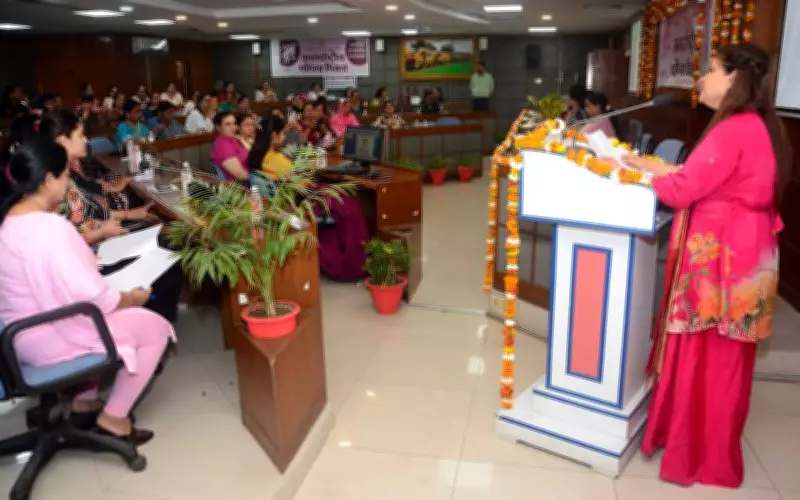
Every year, grand seminars and events mark Women's Day in cities like Jalandhar, often held in luxury hotels with substantial financial outlays. However, these gatherings typically cater to affluent and influential women, excluding ordinary or poor individuals. Trophies and mementos are awarded to achievers who already have recognition, raising questions about the effectiveness of such celebrations.
Many argue that the funds spent on these events should instead be directed toward uplifting women from weaker sections of society. In rural areas, awareness of Women's Day is often minimal, and the celebrations can appear superficial, focused more on media coverage than genuine empowerment. True progress, as noted by contributors, will only be achieved when domestic violence ceases and every woman feels safe in society.

Systemic Challenges and Proposed Solutions
Crimes against women, including rape, harassment, and exploitation, underscore the need for robust systemic changes. A deep-rooted transformation is required to rebuild trust in institutions responsible for protection. Key steps highlighted by experts include:
- Strict Law Enforcement: Implementing zero-tolerance policies for violations, with improved police training and dedicated women's units accessible 24/7.
- Community Involvement: Encouraging citizens to report suspicious activities and forming neighborhood watch groups to prevent crimes before they escalate.
- Infrastructure Improvements: Ensuring well-lit streets, CCTV surveillance in public spaces, and safe public transport to reduce harassment risks.
Changing Societal Attitudes and Education
Empowering women must go hand-in-hand with educating boys from an early age about respect, equality, and boundaries. Sensitization programs can help shift perceptions, fostering a culture where women's strength is recognized and valued. As GD Anderson's quote emphasizes, feminism is about changing how the world perceives women's inherent strength.
Real progress begins at home, where families should share domestic responsibilities, respect women's decisions, and actively listen to their voices. This foundational change can break cycles of bias and promote gender equality in future generations.
Financial Independence and Health Priorities
Beyond safety, women's empowerment requires financial literacy and independence. Encouraging women to manage bank accounts, handle official paperwork, and understand digital tools can boost confidence and reduce dependency. Additionally, addressing health issues like anemia and maternal complications is crucial, as women's wellbeing often takes a backseat in traditional households.
Call to Action for Sustainable Harmony
Women form the foundation of society, yet their safety remains a critical challenge. Celebrations like Women's Day become meaningful only when matched by tangible actions—such as enforcing laws, revolutionizing ground realities, and fostering inclusive growth. As contributors stress, until women can walk freely without fear, societal claims of progress remain hollow gestures.
In conclusion, safeguarding women's rights is a shared responsibility of citizens and authorities alike. By taking strong measures, we can work towards a society where every woman feels secure, respected, and empowered, paving the way for sustainable harmony and inclusive development.






