More than one hundred activists affiliated with a prominent farmers' organization have been formally charged by the Uttar Pradesh Police. The case stems from a major protest that severely disrupted vehicular movement at a key toll plaza in the state.
Protest Halts Traffic on National Highway
The incident unfolded at the Jewar toll plaza located on National Highway 9 in Gautam Buddh Nagar district. Activists belonging to the Bharatiya Kisan Union (BKU) staged a demonstration, deliberately blocking all traffic lanes. This action led to a massive snarl, leaving hundreds of commuters and commercial vehicles stranded for hours.
According to police reports, the protest was organized to voice strong opposition against the central government's proposed new regulations for highways. The farmers' group alleges these rules would negatively impact agricultural communities and their livelihoods.

Police Response and Legal Action
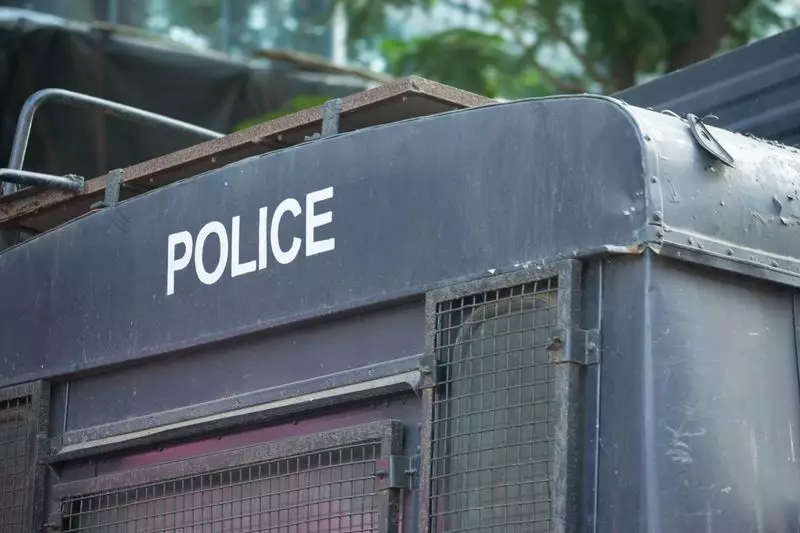
Local law enforcement was quick to respond to the chaos. A significant police force was deployed to the site to manage the situation and eventually clear the blockade. Following the protest, the Jewar police station registered a formal First Information Report (FIR) against the participants.
The charges are serious and include sections of the Indian Penal Code for unlawful assembly, obstructing a public way, and disobedience to an order duly promulgated by a public servant. While the FIR names over 100 individuals, authorities have indicated that the actual number of protesters was likely higher. Investigations are ongoing to identify all those involved.
Broader Context and Implications
This event is not an isolated one but part of a growing pattern of farmers' protests in Uttar Pradesh and across North India. Agricultural groups have been increasingly vocal, using highway blockades and toll plaza disruptions as a tactic to draw government attention to their demands.
The use of toll plazas as protest sites is particularly effective due to the immediate economic and logistical impact it creates. It halts revenue collection and disrupts critical supply chains, forcing a swift administrative response. However, it also raises significant questions about balancing the right to peaceful protest with the public's right to free movement and access to essential services.
This latest case in Jewar highlights the continuing tensions between farming communities and policy makers. It underscores the challenges faced by local police in maintaining law and order while navigating politically sensitive demonstrations. The legal proceedings against the booked activists will be closely watched, as they may set a precedent for handling similar protests in the future.