The year 2025 in Punjab was a political spectacle driven as much by sharp personalities and dramatic comebacks as by policy debates. From the chief minister's punchlines to an opposition revival and heroic administrative actions during crises, the state's political landscape resembled a high-stakes drama series.
Leaders in the Limelight: Wit, Silence, and Comebacks
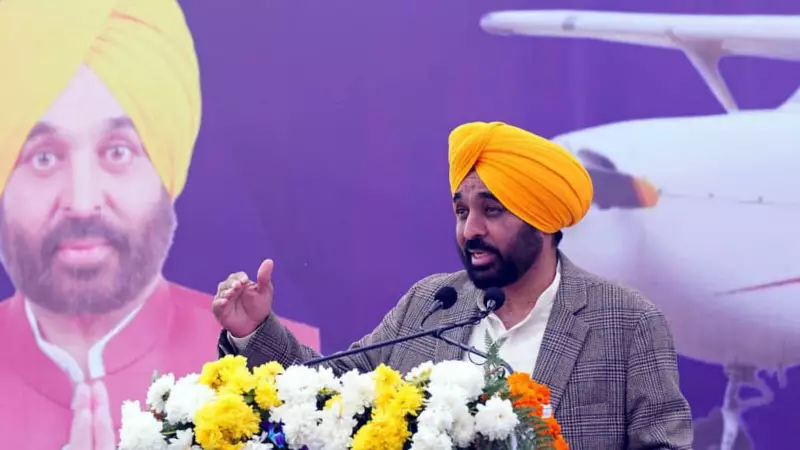
Chief Minister Bhagwant Mann solidified his reputation as a leader who never misses a punchline. When the BJP distributed sindoor after 'Operation Sindoor', Mann quipped if the nation was moving towards "one nation, one husband". Mocking the Prime Minister's foreign tours, he listed fictional destinations like "Magnesia" and "Tarvesia". His deadpan response to a lone BJP vote in his village—"The investigation is on. We have two suspects"—showcased his trademark humour as a political tool.
In a surprising twist, Sukhbir Singh Badal, declared politically fossilised by many, staged a fierce comeback. The Shiromani Akali Dal's strong performance in zila parishad and block samiti elections startled commentators. Badal was visibly active during the floods, distributing cash to farmers on the spot, and his swift responses to issues from land pooling to viral audio clips nudged his party back into public acceptability, often invoking his father Parkash Singh Badal's legacy.
Punjab Congress chief Amrinder Singh Raja Warring faced a year where his articulation led to unintended controversies. An emotional reference to late home minister Buta Singh resulted in a complaint before the SC/ST Commission. Later, a playful "tooo, too" remark offended two young boys, leading Warring to resolve to weigh his every word more carefully.
Crisis Management: Floods, Policing, and Public Trust
The devastating floods of 2025 tested the state's machinery and revealed heroes. The Punjabi spirit of 'jugaad' shone as villagers fashioned boats from boards and built bundhs from sand, proving community action was the first line of defence.
In the administration, Education Minister Harjot Singh Bains became Punjab's calm centre during the Bhakra dam crisis. With twice-daily updates delivered in simple language, he built unprecedented trust across party lines, eventually handling the 350th martyrdom anniversary at Anandpur Sahib with similar composure.
Another standout was IAS officer Sakshi Sawhney, who seemed to be calamity's favourite officer. From wading through Patiala floods with her baby in an official vehicle to managing 'Operation Sindoor' chaos in Amritsar and comforting elders in Majha, her hands-on approach won public admiration, even as photographers trailing her became a sub-plot.
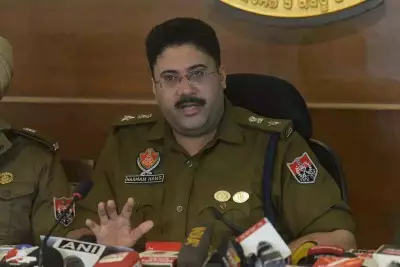
In the police force, two distinct styles of leadership emerged. Punjab DGP Gaurav Yadav preferred leading with a stiff upper lip, guarding his officers fiercely in cases like the Col PS Batth assault or the Lawrence Bishnoi interview, while quietly busting transnational gangs. Conversely, former Haryana DGP OP Singh, who took charge amid a crisis, became "the people's DGP" by being highly visible and audible. His surprise night checks and frequent press conferences demystified the police force for citizens.
Political Subplots and Enduring Quirks
The year was also marked by intriguing political subplots. The Punjab Congress internal dynamics earned comparisons to a reality show, with a party insider describing them as "a constellation of leaders—each one brighter than the sun." The Rana family in Kapurthala expanded its footprint, with Rana Gurjit Singh (Congress) and son Rana Inder Pratap (Independent) creating a unique intra-family political equation.
Protest leaders Sarwan Singh Pandher and Jagjit Singh Dallewal, after 400 days of joint agitation, developed a curious parallel existence, announcing similar programmes separately but without public discord. AAP MP from Jalandhar Cantt, Pargat Singh, ensured his commentary reached from local potholes to global geopolitics, making silence an unlikely option in his constituency.
Meanwhile, dismissed constable Amandeep Kaur saw her social media following nearly triple to 81,000 after an NDPS case arrest, turning notoriety into influence and attracting YouTubers and eventually a vigilance probe. Chandigarh's roads entered a spirited competition with Mohali and Panchkula for the worst craters, with officials unanimously blaming the rains, leaving citizens to wonder about selective divine—or contractor—intervention.
From Navjot Kaur Sidhu's Rs 500 crore chief ministerial face remark that sent her husband scrambling, to Minister Aman Arora's vibrant kurtas and pre-emptive media answers, and Charanjit Singh Channi's bhangra beats and muddy kurtas, the year proved that in Punjab, politics remains a deeply personal, colourful, and unpredictable theatre.