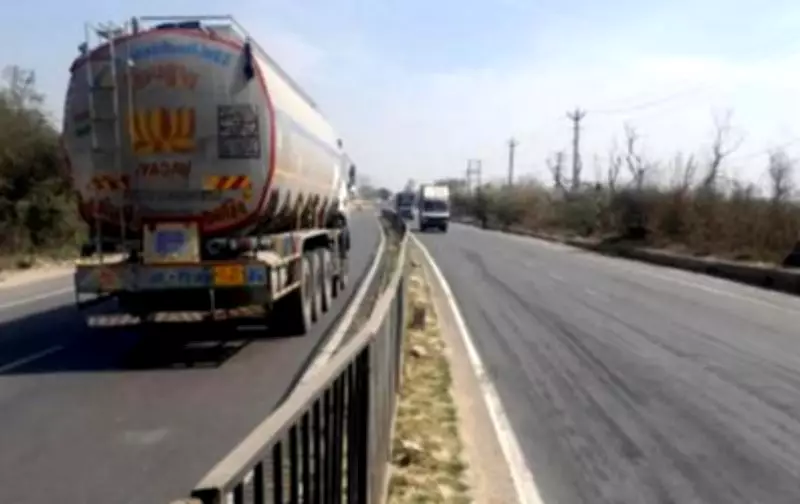
45 High-Risk Accident Zones Mapped in Rohtak, Haryana
In a significant move to enhance road safety, authorities in Haryana have identified 45 accident-prone spots within the Rohtak district. This comprehensive survey aims to address the rising concerns over traffic fatalities and injuries in the region.
Detailed Identification of Hazardous Locations
The identification process involved a thorough analysis of historical accident data, traffic patterns, and road conditions. These 45 spots have been flagged as high-risk areas due to factors such as poor visibility, sharp turns, inadequate signage, and high-speed zones. The list includes major intersections, rural roads, and stretches near educational institutions and markets.
Key findings from the survey reveal that many of these locations lack proper safety infrastructure, such as speed breakers, pedestrian crossings, and street lighting. This has contributed to a higher incidence of collisions, particularly during peak hours and adverse weather conditions.

Immediate Safety Measures and Public Awareness
In response to the findings, local authorities have initiated urgent measures to mitigate risks. These include installing additional traffic signals, improving road markings, and deploying more traffic police personnel at critical points. Public awareness campaigns are also being launched to educate drivers and pedestrians about safe practices.
Officials emphasize that addressing these hotspots is crucial for reducing accident rates and ensuring safer commutes. They have called for community cooperation in reporting hazards and adhering to traffic rules.
Broader Implications for Road Safety in Haryana
This initiative is part of a larger effort by the Haryana government to enhance road safety across the state. By targeting specific districts like Rohtak, authorities aim to create a model for other regions to follow. Future plans include regular monitoring of these spots and implementing advanced technologies, such as surveillance cameras, to enforce compliance.
The identification of these 45 accident-prone spots underscores the ongoing challenges in urban and rural road management. It highlights the need for sustained investment in infrastructure and public education to prevent accidents and save lives.