Massive Voter List Purge in Mamata Banerjee's Constituency
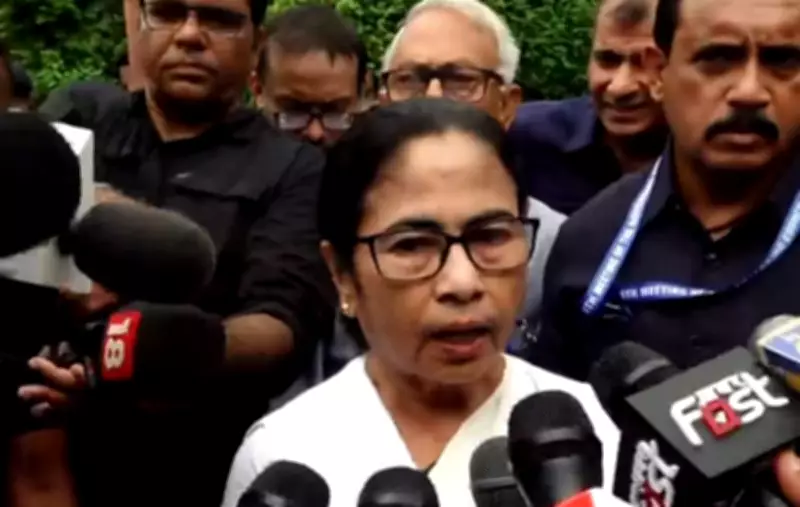
The Election Commission of India has undertaken a significant revision of the electoral roll in the Bhabanipur assembly constituency, resulting in the deletion of over 47,000 voter names. This move, part of a Summary Revision (SIR), has sparked widespread attention and debate in political circles, particularly as the seat is represented by West Bengal Chief Minister Mamata Banerjee.
Details of the Voter List Revision
According to official reports, the deletion of these names was carried out following a thorough verification process aimed at removing duplicate, deceased, or ineligible voters. The Bhabanipur constituency, a key political battleground in Kolkata, has historically been a stronghold for Mamata Banerjee and her party, the Trinamool Congress. The removal of such a large number of voters—exceeding 47,000 individuals—represents a substantial shift in the electoral landscape, potentially affecting voter demographics and political strategies ahead of future elections.
The Summary Revision (SIR) is a routine exercise conducted by the Election Commission to update voter lists, ensuring accuracy and preventing electoral fraud. However, the scale of deletions in Bhabanipur is notable, raising questions about the underlying reasons and implications. Officials have emphasized that the process adhered to standard protocols, with notifications sent to affected voters and opportunities provided for objections or corrections.
Political Reactions and Concerns
The deletion of over 47,000 names has elicited mixed reactions from political stakeholders. Supporters of Mamata Banerjee have expressed concerns that this could be an attempt to undermine her electoral base, while opposition parties have welcomed the move as a necessary step to clean up the voter list. The Trinamool Congress has called for transparency in the revision process, urging the Election Commission to provide detailed justifications for each deletion to ensure fairness.
In response, election authorities have maintained that the revisions are purely administrative and non-partisan, focused on maintaining the integrity of the electoral system. They have highlighted that similar exercises are conducted across various constituencies nationwide, with Bhabanipur's case being part of this broader effort.
Impact on Future Elections
The removal of these voters could have significant ramifications for upcoming elections in West Bengal. Bhabanipur, being a high-profile seat, often sets trends for political dynamics in the state. With over 47,000 names deleted, the constituency's voter count has been reduced, potentially altering campaign strategies and voter outreach programs. Political analysts suggest that this may lead to increased scrutiny of voter lists in other regions, as parties seek to safeguard their electoral interests.
Moreover, this development underscores the ongoing challenges in managing electoral rolls in India, where issues like migration and administrative errors can lead to inaccuracies. The Election Commission's efforts to address these through revisions like the SIR are crucial for upholding democratic principles, but they also require careful handling to avoid perceptions of bias or manipulation.
Conclusion
In summary, the deletion of over 47,000 voter names in Mamata Banerjee's Bhabanipur seat after a Summary Revision marks a pivotal moment in West Bengal's political scene. While aimed at ensuring electoral accuracy, it has ignited debates over transparency and political motives. As the state prepares for future polls, the implications of this purge will likely continue to resonate, highlighting the delicate balance between administrative efficiency and electoral fairness in India's democracy.