

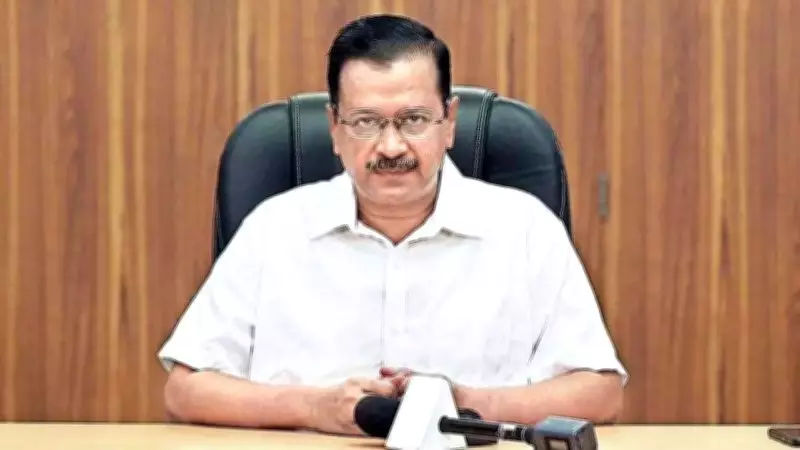
The Aam Aadmi Party (AAP) faced a significant setback in the Gujarat local body elections, failing to achieve any major breakthrough as counting trends indicated a sweeping performance by the Bharatiya Janata Party (BJP) across key municipal corporations and local bodies.
Key Losses for AAP
In a notable blow, AAP's leader of opposition in the last general body of the Surat Municipal Corporation, Payal Sakariya, lost to the BJP candidate in Ward 16. AAP had fielded around 5,000 candidates in the elections and hoped to build on its previous performance in civic polls, where it had won a handful of seats, particularly in Surat. However, trends suggested the party struggled to convert its campaign into gains.
Allegations by AAP
State party president Isudan Gadhvi blamed the ruling party, stating, “The BJP is scared of AAP’s growing popularity, because of which cases were filed against AAP leaders during campaigning, and the Facebook and Instagram accounts of the state unit of the party were suspended on Saturday.”

Polling Details
Polling was held on Sunday for elections to 15 municipal corporations, 84 municipalities, 34 district panchayats, and 260 taluka panchayats. These polls, considered one of the largest electoral exercises in the state ahead of assembly elections due next year, covered nearly 9,200 seats with more than 4.18 crore eligible voters. According to State Election Commission (SEC) data, voter turnout was 55.1% for municipal corporations, 65.53% for municipalities, 66.64% for district panchayats, and 67.26% for taluka panchayats.
Turnout Variations
Among municipal corporations, the newly formed Gandhidham in Kutch district recorded the lowest turnout at 46.03%, while Vapi in Valsad district registered the highest at 72.29%. The Ahmedabad Municipal Corporation reported a turnout of 51.81%.
First-Time Polls in New Corporations
Polling was conducted for the first time in nine newly created municipal corporations, including Navsari, Gandhidham, Morbi, Vapi, Anand, Nadiad, Mehsana, Porbandar, and Surendranagar. The elections were held under revised norms for Other Backward Classes (OBC) reservations, which required extensive delimitation and restructuring of wards in several districts.
Main Contenders
The BJP, Congress, and AAP were the main contenders in the polls, while the All India Majlis-E-Ittehadul Muslimeen (AIMIM) also fielded candidates in several areas.






