Abdul Jabbar Resigns from Congress Post as Internal Muslim Discord Intensifies
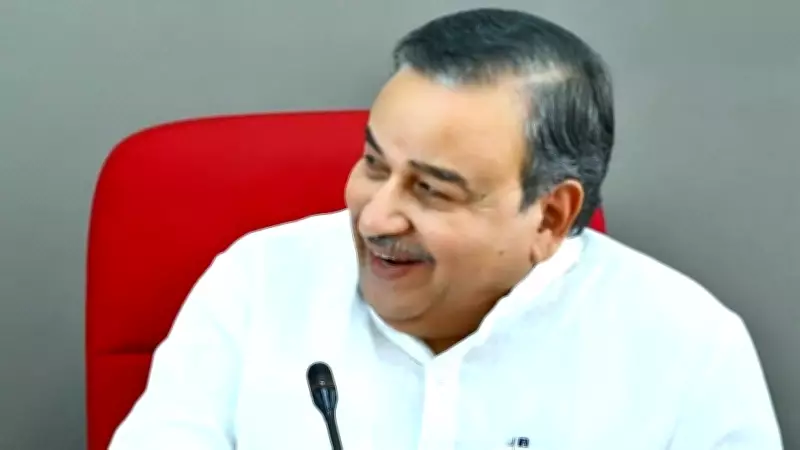
In a significant political development, Abdul Jabbar, a Member of the Legislative Council (MLC), has resigned from his post within the Congress party. This move comes amid escalating tensions and a growing rift within the Muslim community in Karnataka. Jabbar formally submitted his resignation to Deputy Chief Minister and Karnataka Congress president D K Shivakumar on Saturday afternoon, marking a notable shift in the state's political landscape.
Details of the Resignation
Abdul Jabbar confirmed his resignation to reporters, stating that he sent the official letter to D K Shivakumar. The resignation highlights internal conflicts within the Congress party, particularly concerning issues affecting the Muslim demographic. Jabbar's decision underscores the challenges faced by political parties in managing diverse community interests and maintaining unity.
Implications for Karnataka Politics
This resignation could have far-reaching consequences for the Congress party in Karnataka. As an MLC, Jabbar's departure may influence party dynamics and voter sentiment, especially among Muslim constituents. The timing of this event, reported on April 12, 2026, adds to the ongoing political discourse in the state, potentially affecting upcoming elections and policy decisions.

Broader Context of Community Rifts
The escalating rift within the Muslim community, as indicated by Jabbar's resignation, reflects broader societal tensions. Political analysts suggest that such internal discord can impact governance and social harmony. The Congress party now faces the task of addressing these issues to prevent further defections and maintain its support base.
In summary, Abdul Jabbar's resignation from the Congress post is a critical event in Karnataka politics, driven by internal Muslim community conflicts. It signals potential shifts in political alliances and highlights the need for inclusive strategies within political parties.