

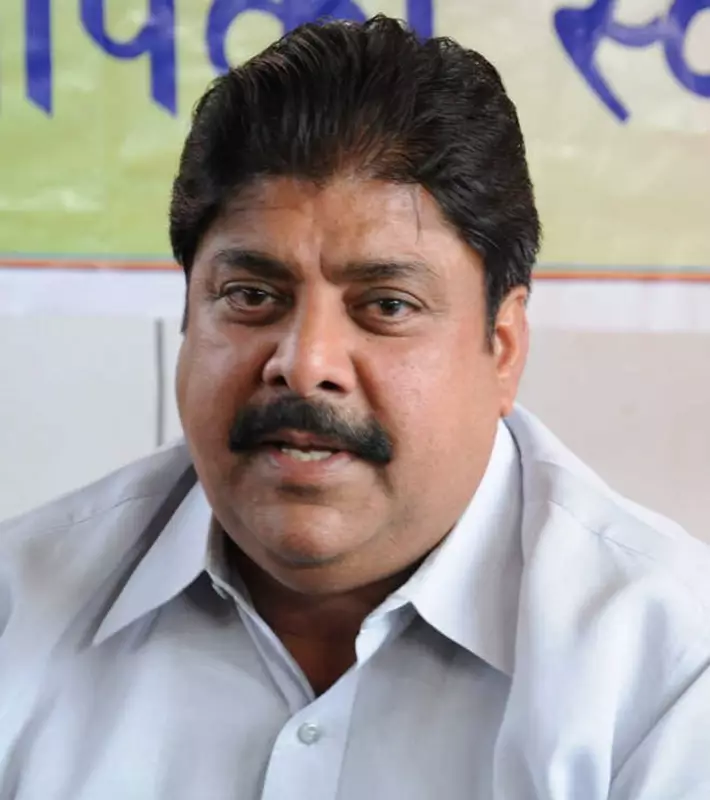
Haryana's political landscape was jolted by a fiery and controversial statement from Ajay Singh Chautala, the national president of the Jannayak Janta Party (JJP). Addressing a party workers' meeting in Jind on Sunday, Chautala issued a stark warning to the state's ruling dispensation, drawing parallels to the fate of governments in neighbouring South Asian nations.
The Controversial Warning to Rulers
In his address, Ajay Chautala made a pointed reference to recent political upheavals in the region. He asserted that if the public's issues are not addressed, the people of Haryana would chase their rulers on the streets, forcing them to flee the state. To underline his point, he cited the examples of Sri Lanka, Bangladesh, and Nepal, where mass public movements led to significant political changes.
The JJP chief's remarks, made on September 15, 2024, were immediately perceived as a direct attack on the current Bharatiya Janata Party (BJP) government in the state, with which his party was formerly in an alliance. Chautala claimed that the government had failed on every front, from law and order to employment and farmer welfare, leading to widespread public discontent.

Political Repercussions and Backlash
The statement ignited an instant political firestorm. Leaders from the ruling BJP swiftly condemned the remarks, labeling them as "irresponsible" and "an incitement to violence." They accused Chautala of using inflammatory language for political gain and undermining the state's stability.
The controversy also puts a spotlight on the strained relations between the BJP and the JJP. The two parties had governed Haryana in coalition from 2019 until their acrimonious split earlier this year. Chautala's son and former Deputy Chief Minister, Dushyant Chautala, has been a central figure in this political realignment. The JJP is now positioning itself as a principal opposition force ahead of the upcoming state assembly elections.
Context of the Sri Lanka, Bangladesh, Nepal Reference
Chautala's analogy is rooted in recent history. He alluded to:
- Sri Lanka's 2022 crisis, where massive public protests over economic collapse led to the flight and resignation of then-President Gotabaya Rajapaksa.
- Political instability and public movements in Bangladesh and Nepal, where ruling establishments have faced significant popular challenges.
By invoking these examples, the JJP chief aimed to amplify his warning that unchecked public anger could lead to similar consequences for Haryana's administration.
What This Means for Haryana's Politics
This episode marks a significant escalation in the JJP's rhetoric against the BJP government. Analysts see it as a strategy to galvanize the party's base and consolidate an anti-incumbency vote. However, the aggressive tone could also alienate moderate sections of the electorate.
The BJP's response will be crucial in shaping the narrative. While the government is likely to highlight its development schemes, it will also seek to portray the JJP as an unstable and reckless alternative. The political temperature in Haryana is set to rise sharply as both parties prepare for a high-stakes electoral battle, with statements like these defining the campaign's tenor.
Ultimately, Ajay Chautala's Sri Lanka remark has successfully stirred the political pot, ensuring that issues of governance, public anger, and accountability remain at the forefront of Haryana's political discourse in the coming months.






