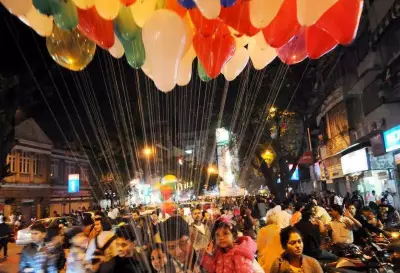
The Amritsar Municipal Corporation (MC) has officially commenced the process of shifting liquor vends and meat shops out of the city's historic core. This significant urban renewal move targets establishments operating within the densely populated and culturally sensitive Walled City area.
Municipal Drive for Urban Decongestion and Heritage
Acting on long-standing concerns and directives, the civic body has initiated a formal survey to identify all such shops currently functioning in the old city. The primary goal is to decongest the narrow lanes and preserve the sanctity of the heritage zone, which is home to the iconic Golden Temple. The decision aligns with broader efforts to streamline commercial activities and improve the overall ambience for residents and pilgrims alike.
New Commercial Complexes as Designated Relocation Sites
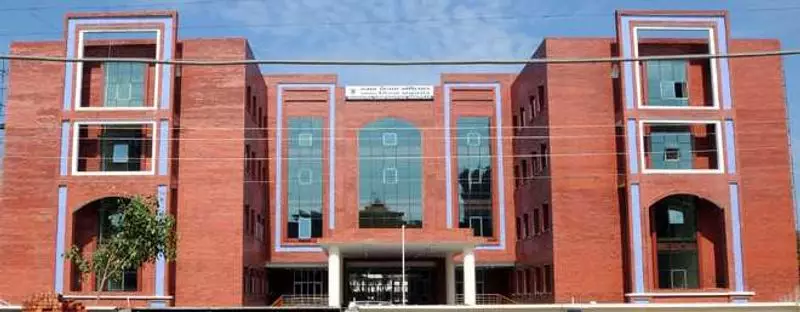
The Amritsar MC has identified specific locations to accommodate the displaced businesses. Two commercial complexes are being developed in the Maqboolpura and Hall Bazaar areas to serve as the new, designated zones for these shops. This strategic shift aims to consolidate these trades into more appropriate, modern facilities while freeing up the historic core from their operations.
Officials have confirmed that the process involves multiple departments. The MC's town planning wing is actively collaborating with other authorities to ensure a smooth transition. Notices are expected to be issued to shop owners shortly, outlining the relocation procedure and timelines. This step marks a concrete move from planning to implementation on a project discussed for several years.
Addressing Public Sentiment and Logistical Challenges
The relocation plan directly addresses grievances from local residents and religious communities regarding the presence of these shops in close proximity to residential areas and places of worship. By moving them to dedicated commercial complexes, the administration hopes to balance economic activity with community sensibilities and urban planning norms.
However, the task involves significant logistical coordination. The MC must ensure that the new complexes are fully ready with necessary infrastructure before enforcing the shift. Additionally, the process will require managing the concerns of existing shop owners regarding business continuity, licensing, and the costs associated with moving to a new location.
This initiative by the Amritsar Municipal Corporation represents a pivotal step in redefining the commercial landscape of the historic city. If executed effectively, it could serve as a model for other heritage cities in Punjab and across India facing similar challenges of modernization while preserving cultural and religious ethos.